All 84 Articles
Evidence-based articles for lactation professionals
84 articles

What Scaled Scoring Means for the IBCLC Exam — and What It Doesn’t
If you’re planning to take the IBCLC exam in 2026 or beyond, you may have seen the IBLCE announcement about scaled scoring and immediately felt a spike of…

Craniosacral Therapy and Breastfeeding: What the Evidence Tells Us
Babies who struggle at the breast are often described as “disorganized,” “weak,” or “uncoordinated,” yet for many dyads, standard lactation management…

The Risks of Formula Feeding: What You Need to Know
Formula companies present their products as safe, scientifically tested, and nutritionally complete. But when you look beyond the glossy labels, a…

Thrush and Breastfeeding: What Lactation Professionals Need to Know
Few topics stir as much debate among lactation professionals as “nipple thrush.” Some clinicians see it frequently, while others doubt whether Candida…

The Apgar Score: History, Application, and Relevance for Lactation Professionals
When Virginia Apgar introduced her scoring system in the early 1950s, she transformed newborn care. Before her innovation, attention during delivery was…

Telelactation: Expanding Access, Advancing Equity, and Knowing When It's Appropriate
One question I hear from students all the time is: “How do you know when telehealth is appropriate for a lactation visit?” It’s an important question.…

Swaddling and Breastfeeding: What the Evidence Really Says
Swaddling — the age-old practice of wrapping infants snugly in cloth — is still commonly seen among new parents today. My students and patients often ask…

Growth, Not Health: The Formula Industry’s Standard
Walk into any U.S. grocery store and you’ll see an aisle of infant formula promising peace of mind in shiny cans. Labels boast “closest to breast milk,”…

How Did We Get Here? A Lactation Educator’s Deep Dive Into the Tongue-Tie Obsession
As a Pathway 2 instructor, I have the privilege of working with hundreds of aspiring International Board Certified Lactation Consultants (IBCLCs) each…

PCOS and Breastfeeding: What Lactation Professionals Need to Know
Polycystic ovary syndrome (PCOS) is a common endocrine disorder, affecting 5–15% of reproductive-aged women (Joham et al., 2016). It is characterized by…

Coombs-Positive Jaundice in Newborns: Implications for Breastfeeding Support
Lactation professionals often encounter infants with neonatal jaundice. A subset of these cases involves a positive direct Coombs test , indicating an…

Understanding Jaundice in Breastfed Infants: What Lactation Consultants Need to Know
Newborn jaundice (neonatal hyperbilirubinemia) is a common condition, affecting up to 60–80% of infants in the first week of life (Kemper et al., 2022) .…

Cranial Nerves in Breastfeeding: The Neural Pathways of Suck, Swallow, and Rooting
Breastfeeding an infant is far more complex than it appears. Behind the seemingly simple act of a baby latching onto the breast and drinking milk lies a…

Inside the IBCLC Exam: How Questions Are Developed, Scored, and What the Pass Rates Mean
Preparing for the International Board Certified Lactation Consultant (IBCLC®) exam can be less intimidating when you understand how the exam is created…

Suck–Swallow–Breathe: The Infant Anatomy Behind Feeding Coordination
Feeding is one of the most complex and vital skills a newborn must perform. A healthy infant’s ability to suck, swallow, and breathe in a coordinated…
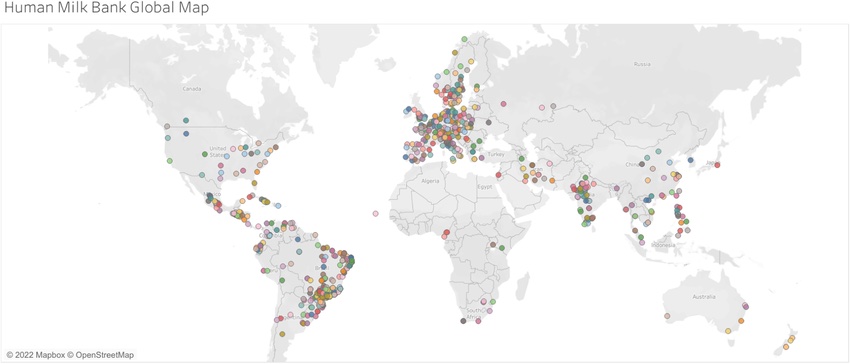
Milk Banking 101: Part 3 – The Global Landscape of Milk Banking: Access, Ethics, and Equity
Donor milk saves lives, but who gets it—and how—is not the same around the world. In this final part of our series, we explore how milk banking systems…
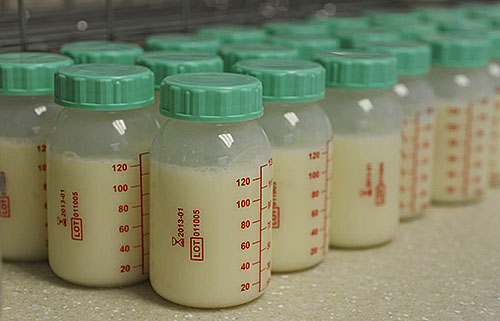
Milk Banking 101 – Part 2: Inside the Milk Bank – Safety and Science of Donor Milk
While the history of milk banking is rich and evolving, today's donor human milk systems are built on a foundation of safety, clinical rigor, and growing…

Milk Banking 101 – Part 1: A History of Milk Banking
Before there were milk banks, there were mothers helping mothers. Wet nursing — the practice of one woman breastfeeding another’s baby — has existed for…

Sunflower Lecithin for Clogged Ducts: Exploring the Theory and Evidence
Clogged ducts are a frequent—and painful—experience for many lactating individuals. Often presenting as tender lumps with localized engorgement, these…

Understanding Infant Nutritional Needs: Term vs. Preterm
As lactation professionals, we know that optimal infant nutrition is not just about calories—it’s about timing, composition, and individual physiology.…

Root to Rise: Understanding Newborn Reflexes and Their Role in Feeding
Feeding a newborn may seem like a simple biological function—but in reality, it’s a complex and finely tuned symphony of reflexes, rhythms, and instincts.…

Feeding Behaviors by Age: What’s Normal and What’s Not
Feeding is never just about nutrition. For an infant, feeding is a full-body, full-brain experience involving reflexes, motor coordination, sensory input,…

A Week in the Life of a Private Practice IBCLC: 15 Visits, Countless Stories
Every week as a private practice lactation consultant brings something new—but this one was especially full. With 16 visits on my schedule, I supported…

What to Feel For: A Lactation Professional’s Guide to Digital Oral Exams
As lactation professionals, much of what we assess can be seen or heard—a baby’s latch, a mother’s nipple condition, audible swallows. But when it comes…

Breastfeeding and Neurodivergence: Supporting Autistic Dyads in Clinical Lactation
When we talk about breastfeeding and autism, the conversation often centers on whether breastfeeding reduces the risk of an autism diagnosis. But as…

Breast Hypoplasia: What Lactation Professionals Need to Know
As lactation professionals, we know that milk production is influenced by many factors—hormonal balance, birth practices, infant behavior, maternal…

Evidence-Based Treatments and Support for Low Milk Supply: Part 2
In Part 1 , I explored the definitions, causes, and diagnostic signs of low milk supply. Now I'll turn to what lactation professionals can do to support…

Understanding Low Milk Supply—Definitions, Causes, and Diagnosis: Part 1
Low milk supply is a common concern among breastfeeding parents and one of the leading reasons for early weaning. For lactation professionals,…

Nipple Pain in Breastfeeding: Causes and Evidence-Based Healing Strategies
Nipple pain is one of the most common reasons mothers stop breastfeeding. Learn the evidence-based causes and healing strategies every lactation professional needs to know.

Understanding Infant Growth: How to Use WHO Charts to Support Breastfeeding Dyads
Growth charts are an essential clinical tool for lactation consultants. They help assess how well an infant is growing and whether that growth is in line…
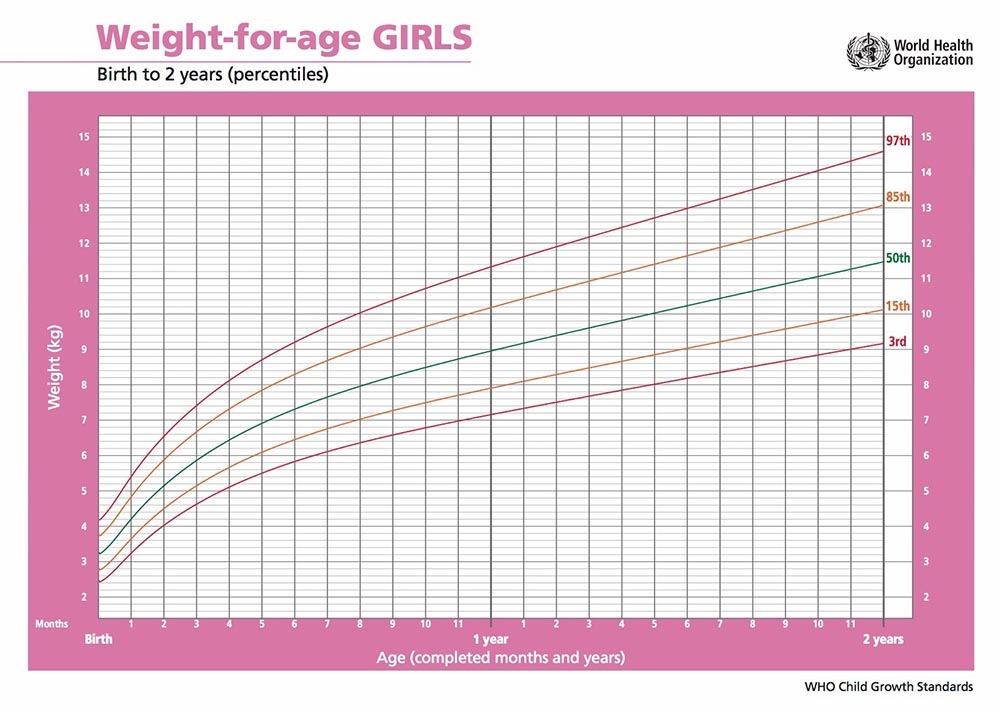
Understanding Growth Charts: Monitoring Growth in the First 24 Months
Growth charts are essential tools for monitoring infant development and well-being. For parents and providers working with breastfeeding dyads,…
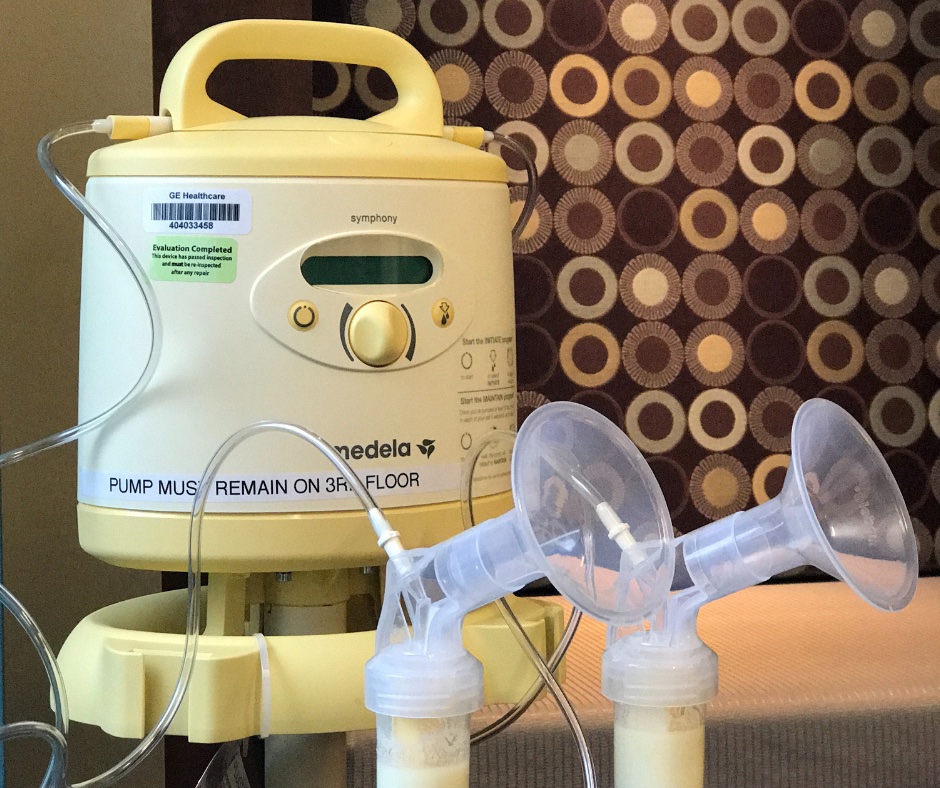
Breast Pumps: History, Safety, Evidence, and Equity in Infant Feeding
In the landscape of modern lactation support, breast pumps are omnipresent—used by over 80% of breastfeeding mothers in the U.S. (Eglash & Malloy,…

Understanding Delayed Lactogenesis II: Risk Factors and Strategies for Support
Delayed lactogenesis II (DLII)—often referred to by parents as "milk coming in late"—is a clinical concern with meaningful implications for breastfeeding…

Moist Wound Healing for Nipple Pain: How It Compares to Other Treatments
Nipple pain and trauma remain some of the most common reasons new parents stop breastfeeding earlier than planned. For International Board Certified…

Scope, Safety, and Sustainability: The Power of Referrals in Lactation Consulting
One of the most important things I’ve learned as an IBCLC is this: you cannot—and should not—do it all. Lactation consultants are highly skilled…
Announcing Our New Name: Lactation Consultant Toolkit!
Big news! We're excited to announce that IBCLC Toolkit has a new name: Lactation Consultant Toolkit ! This change reflects our commitment to serving the…

Peppermint Water for Wound Healing: A Natural Ally in Breastfeeding Care
Breastfeeding is a natural and nurturing act—but it’s not always smooth sailing. Nipple pain and trauma are among the most common challenges that can…
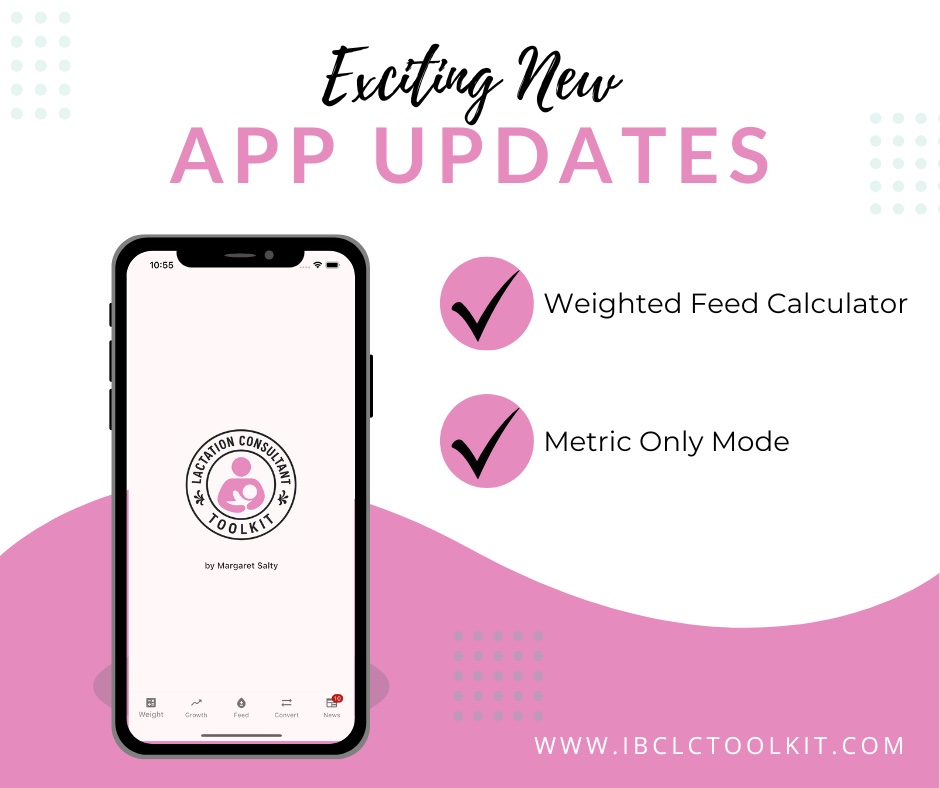
New in Lactation Consultant Toolkit: Weighted Feeds + Metric-Only Mode!
We’re excited to announce the release of Version 0.2.0 of the Lactation Consultant Toolkit , and this update is packed with features designed to make your…

Milestone Lactation Visits: Supporting Breastfeeding Through Every Stage
Many families think of lactation support as something you seek only when there's a problem—painful latching, low supply, or weight concerns. But what if…

Hypertension and Breastfeeding: What Lactation Professionals Need to Know
Hypertensive disorders affect up to 10% of pregnancies and remain a leading cause of maternal and perinatal morbidity and mortality (Cordero et al., 2021;…

The Impact of In-Home Lactation Support on Breastfeeding Outcomes: A Review of the Evidence
Breastfeeding provides critical health benefits for both infants and mothers, yet many families encounter barriers that lead to early cessation. In-home…

Ensuring Breast Pump Safety: A Guide for Lactation Consultants
Breast pumps have become a crucial tool in modern lactation care, but concerns about safety, effectiveness, and potential harm remain largely unaddressed.…

The Tongue-Tie Debate: What Lactation Consultants Need to Know
Tongue-tie (ankyloglossia) is one of the most debated topics in infant feeding today. As lactation consultants, we often encounter families struggling…

Milk Storage and Pasteurization: What Lactation Professionals Need to Know
Human milk storage and pasteurization are critical topics for lactation professionals. Whether supporting families storing expressed milk at home or…

The WHO Code of Marketing of Breastmilk Substitutes: A Guide for Lactation Consultants
The International Code of Marketing of Breastmilk Substitutes , commonly referred to as the WHO Code , is a global public health policy established by the…

Guide for Lactation Consultants: Medications and Breastfeeding
One of the most common questions we get as lactation consultants is, “Is it safe to take this medication while breastfeeding?” Having a solid…

Raynaud’s Phenomenon of the Nipple: A Guide for Lactation Consultants
Raynaud’s phenomenon (RP) is a vasospastic disorder triggered by cold or stress, commonly affecting the fingers and toes. In some cases, it also affects…

Decoding Lactation Credentials: Understanding the Roles, Training, and Accreditation of Breastfeeding Professionals
The lactation field includes a variety of credentials, which can leave professionals and families wondering what they mean and how they compare. This blog…
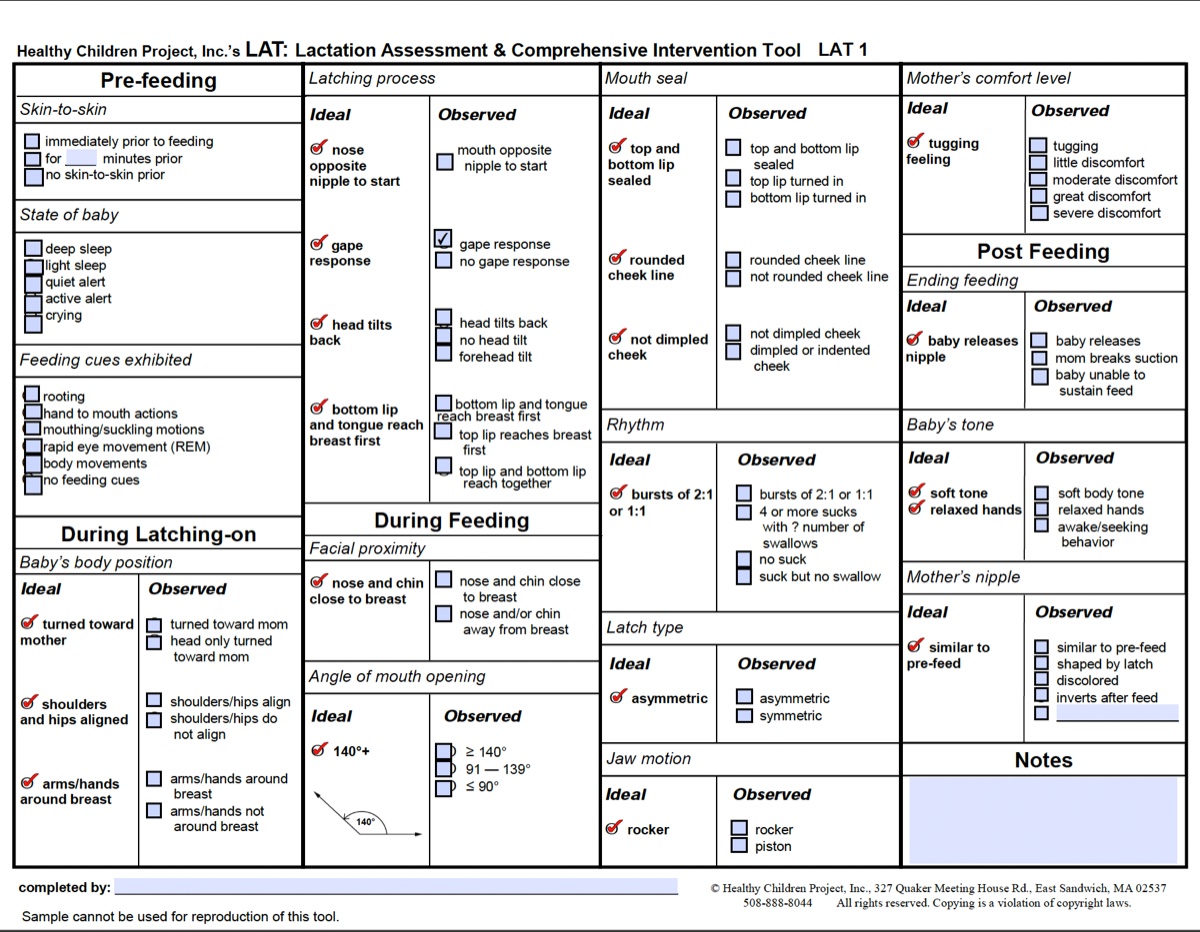
Exploring Breastfeeding Assessment Tools: Guiding Practice with Evidence-Based Methods
Breastfeeding is a cornerstone of infant health, but ensuring its success requires effective assessment of feeding behaviors. Clinicians often face…

Introducing the Lactation Consultant Toolkit App: Tools to Improve Your Lactation Practice
As an IBCLC and public health practitioner, I understand the value of having evidence-based tools at your fingertips to provide accurate and timely…

Understanding Dysphoric Milk Ejection Reflex (D-MER): Causes, Incidence, Treatments, and Real Stories
Breastfeeding is often seen as a bonding experience full of love and connection, but for some mothers, it brings unexpected and challenging emotions.…

Nutritional and Water Requirements for Lactation: Impact on Milk Quality, Quantity, and Infant Health
Lactating mothers have unique nutritional and hydration needs to support milk production, maintain their health, and ensure optimal growth and development…
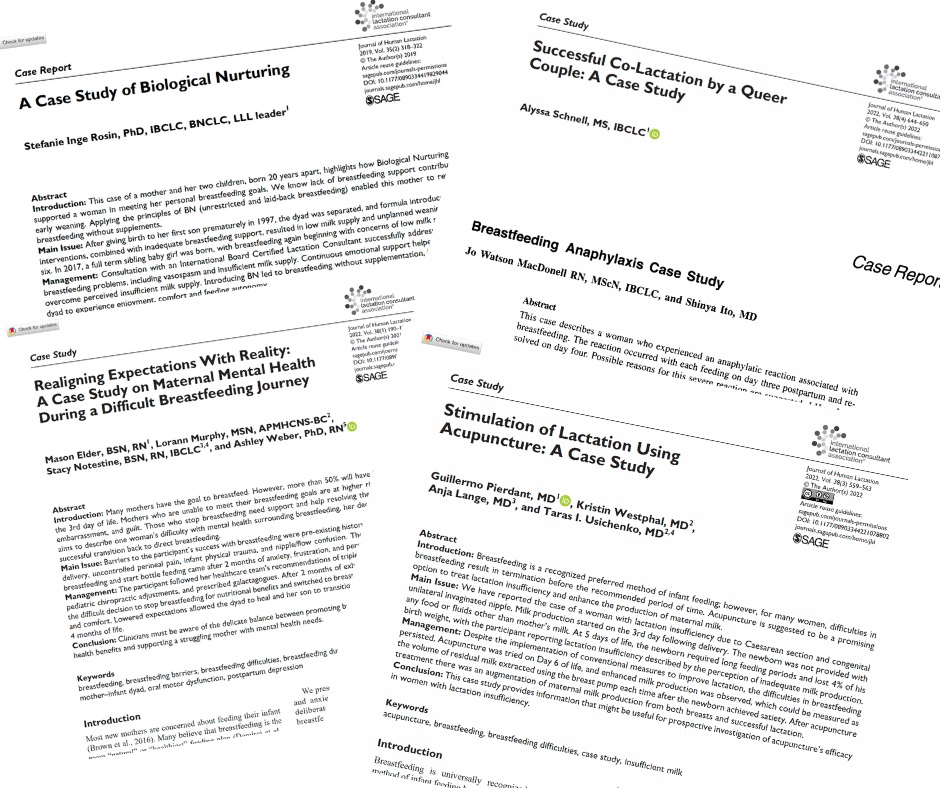
The Importance of Case Studies in Lactation Practice
Case studies are a cornerstone of evidence-based practice in healthcare, and lactation consulting is no exception. They provide invaluable insights into…

Effective Solutions for Nipple Pain: Evidence-Based Treatments to Support Breastfeeding Success
Nipple pain is a widespread issue that affects many breastfeeding mothers, particularly in the early postpartum period. It is often caused by mechanical…

Cabbage Leaves for Engorgement: A Literature Review
Breast engorgement is a common and often painful challenge many breastfeeding mothers face, especially in the early days postpartum. The discomfort can…
Why Evidence-Based Practice is Non-Negotiable for Lactation Consultants
As lactation consultants, we have a responsibility to provide families with the most accurate, up-to-date, and reliable information possible. But how do…

The Role of Ethics and Professionalism in Lactation Consulting
For IBCLCs, the practice of lactation consulting is about more than providing breastfeeding support; it's a commitment to delivering ethical and…

The Magic of Skin-to-Skin: A Simple Act with Lasting Impact
In the first hour after birth, there’s a unique kind of magic that unfolds between a newborn and their parent. This magical moment, known as skin-to-skin,…

Managing Hypoglycemia in a Breastfed Newborn: Protecting Breastfeeding While Ensuring Safety
Neonatal hypoglycemia is a condition marked by low blood glucose levels in newborns, often occurring within the first few hours of life as they adapt from…

Why Pediatrician Reports Matter: A Guide for IBCLCs
For IBCLCs, building collaborative relationships with pediatricians is a valuable aspect of providing seamless, holistic care to breastfeeding families.…

Managing Hyperbilirubinemia in Breastfeeding Infants: Protecting Breastfeeding While Treating Jaundice
Hyperbilirubinemia, commonly known as jaundice, is a frequent concern in newborns, especially in the early days after birth. It occurs when there is an…

Supporting Breastfeeding Moms of Multiples: Practical Tips and Evidence-Based Guidance for Lactation Consultants
Breastfeeding one baby can be challenging, and adding another (or two) to the mix brings its own unique set of challenges. For mothers of twins and…

Essential Medical Documentation for Lactation Consultants: Protecting Your Practice and Clients
As a lactation consultant, maintaining thorough and accurate medical documentation is not just a professional responsibility, but it also plays a crucial…

How to Stay HIPAA Compliant in Your Lactation Private Practice
As a lactation consultant, ensuring the privacy and security of your clients' personal health information (PHI) is critical—not just for maintaining trust…

Navigating Nipple Shields: A Practical Guide for Lactation Professionals
Nipple shields are a topic of considerable debate in the breastfeeding community. While they can be a valuable tool for mothers facing certain…

Understanding the IBCLC Scope of Practice: What’s In, What’s Out, and Navigating Grey Areas
As an International Board Certified Lactation Consultant (IBCLC), understanding and respecting the boundaries of our professional role is crucial for…

How to Become an IBCLC: A Step-by-Step Guide
If you're passionate about supporting breastfeeding families and want to pursue a rewarding career as an International Board Certified Lactation…
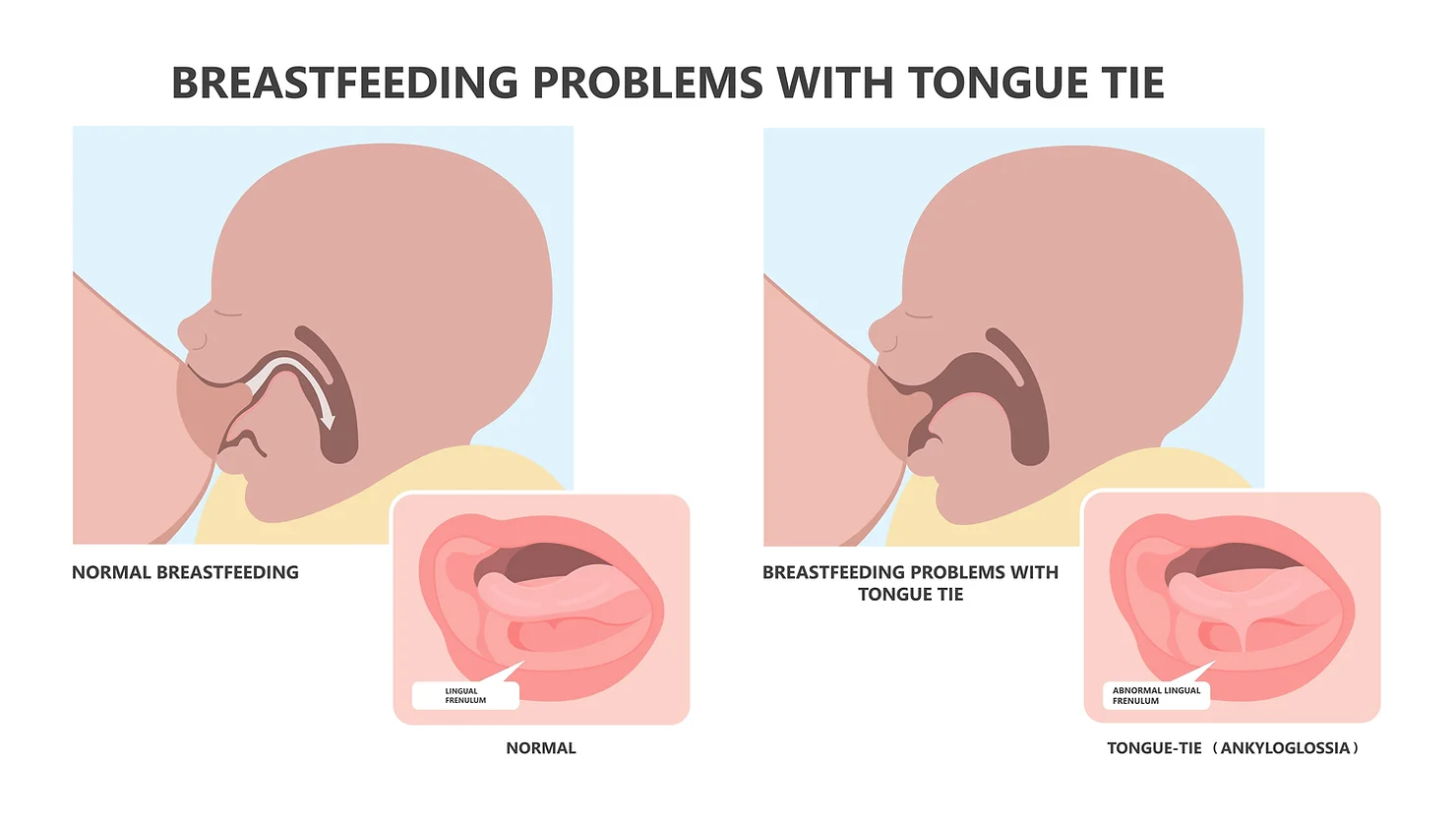
Understanding Tongue-Tie and Its Impact on Breastfeeding – What the Latest Evidence Says
Tongue-tie, or ankyloglossia, has increasingly become a topic of discussion among breastfeeding families and healthcare providers. With recent guidelines…

Empowering Change: Why IBCLCs Should Join Breastfeeding Task Forces and Coalitions
Breastfeeding Task Forces and Coalitions: Why You Should Get Involved As an IBCLC or an aspiring lactation consultant, you are more than just a provider…

Mastering Critical Analysis: A Guide for Lactation Professionals to Evaluate Research Papers
Critically analyzing a research paper is an essential skill for lactation professionals, enabling you to discern the quality and applicability of the…
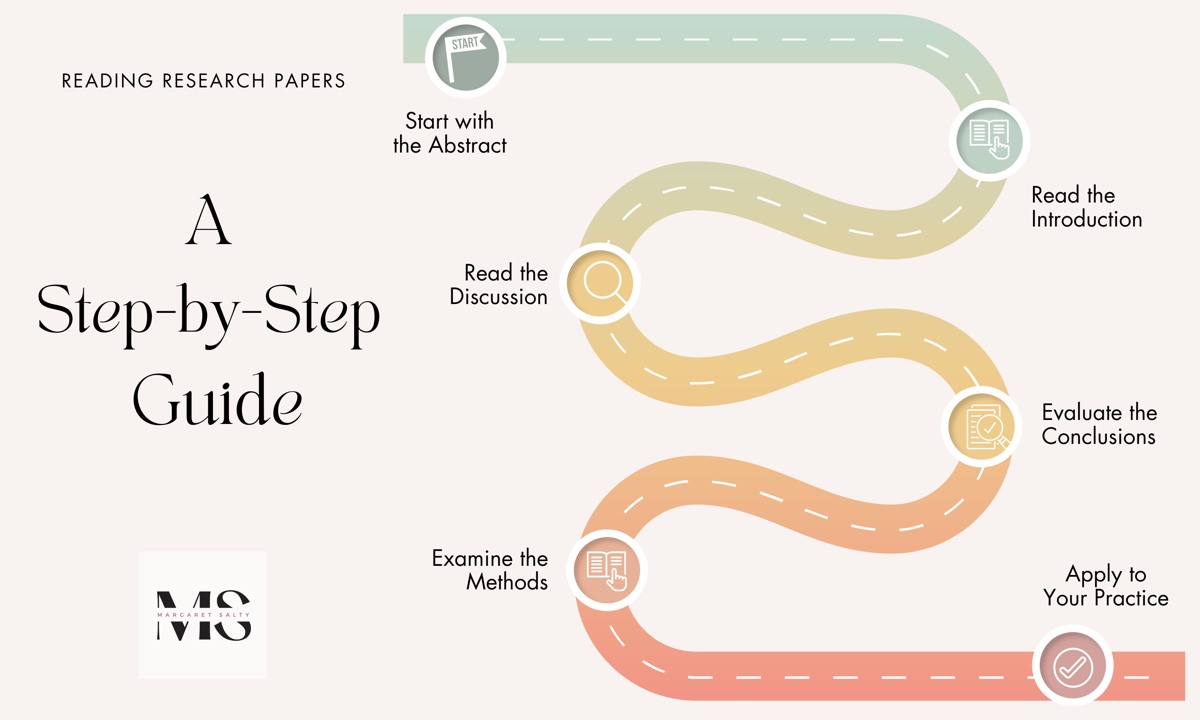
Unlocking Research: A Step-by-Step Guide for Lactation Professionals on Reading Research Papers
Despite what you may believe, research papers are not meant to be read beginning to end. Reading a research paper effectively involves a strategic…
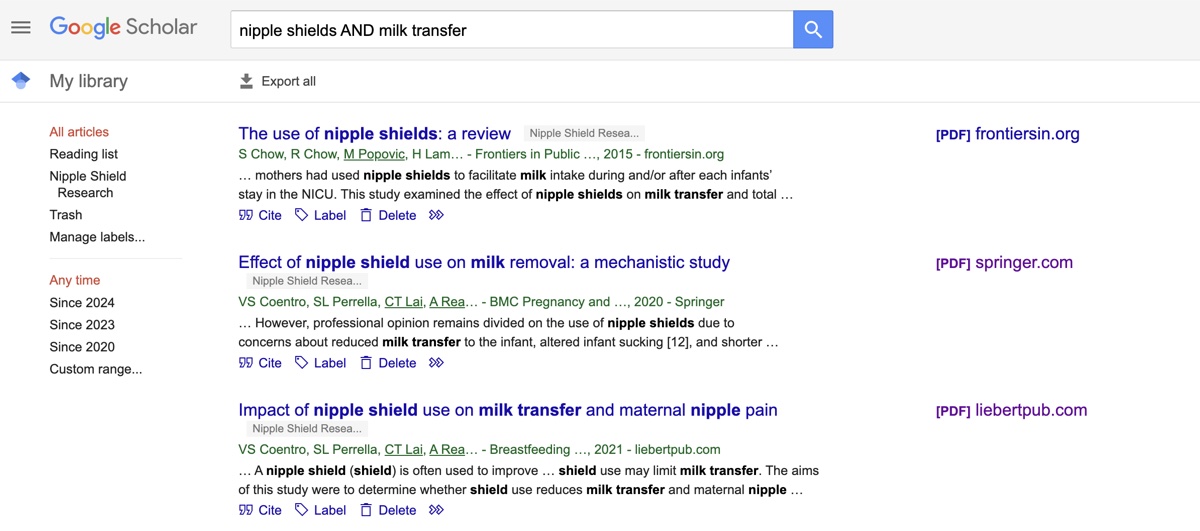
Empowering Lactation Professionals: A Guide to Locating Scientific Evidence About Breastfeeding
As a lactation professional, your role in supporting and guiding mothers on their breastfeeding journey is invaluable. Ensuring that your advice is…
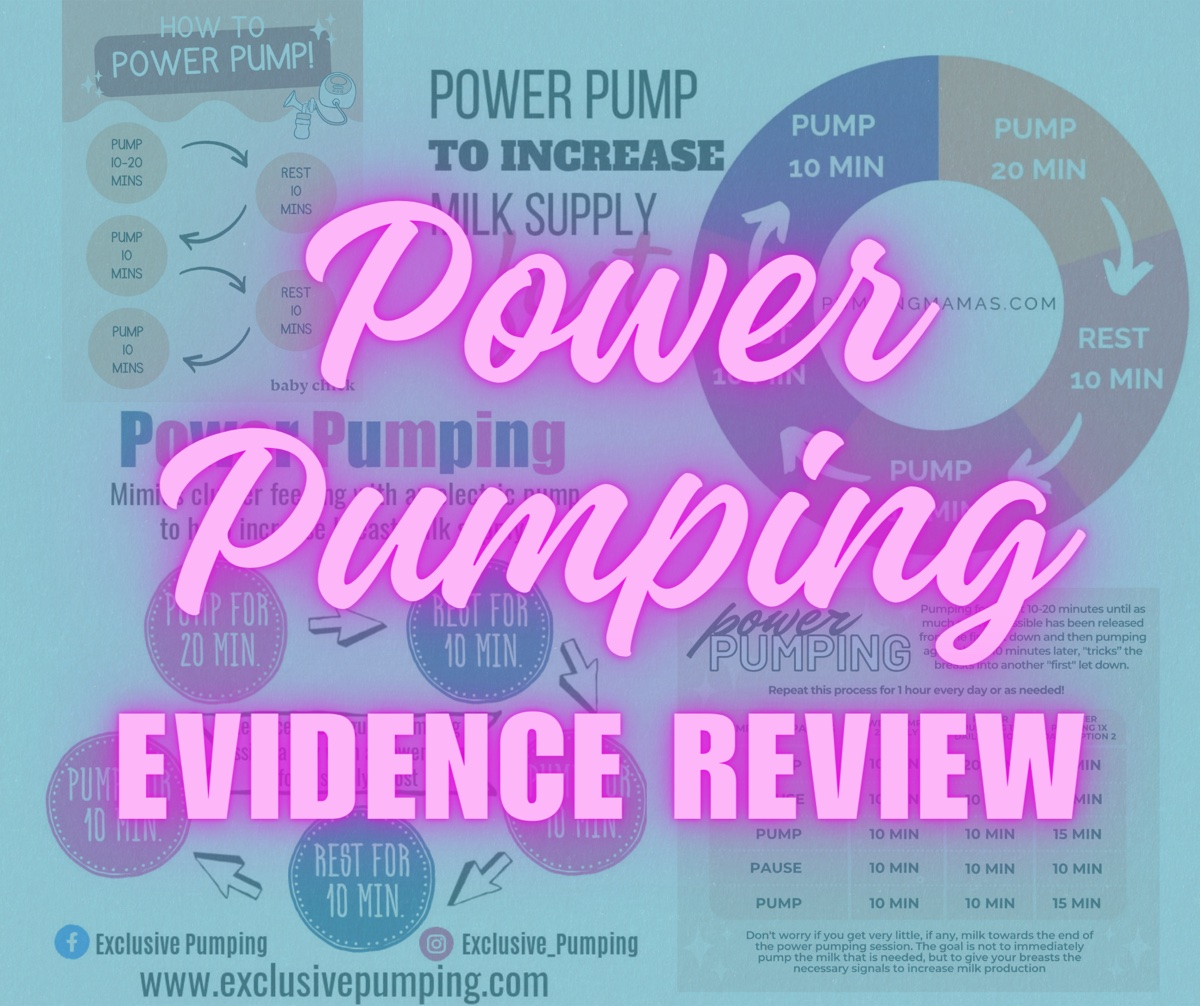
Evaluating Evidence: Power Pumping
A student in class recently brought up “Power Pumping” as a tactic to help a mom with low supply increase her supply. This sparked a discussion about…

Case Study: Cascade of Problems Impacts Breastfeeding
Unfortunately, the goal of exclusively breastfeeding in the hospital is often elusive. From mom complications to baby complications, there are so many…

Mastering Intake Calculations for Breastfeeding Success: A Guide for Healthcare Professionals
One critical skill that is necessary for assisting breastfeeding dyads is being able to calculate appropriate intake. Whether you are trying to determine…

Seamless Support: Navigating the Flow of In-Home Lactation Visits
Students ask me frequently about how an in-home lactation visit works. In this post, I’ll walk you through a typical in-home lactation consultation,…

Lactation Case Study: Poor weight gain at 5 months
This is the case of a dyad that I saw where the baby was exhibiting poor weight gain at 5 months after appropriate weight gain previously. I’ll share the…
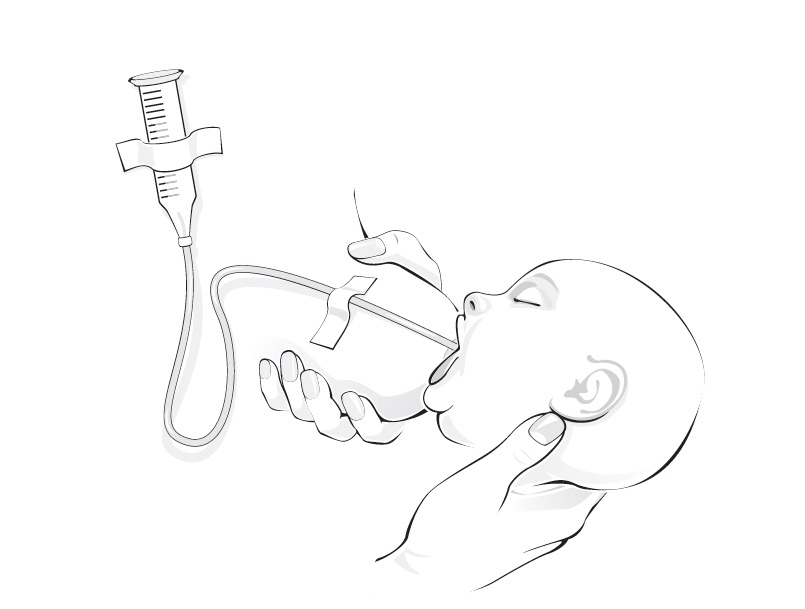
A Detailed Look at Alternative Feeding Methods for Supplementing Breastfed Babies: A Guide for Lactation Consultants
When a baby needs to be supplemented, it is often recommended to avoid bottles and use alternative methods. This is thought to protect the breastfeeding…
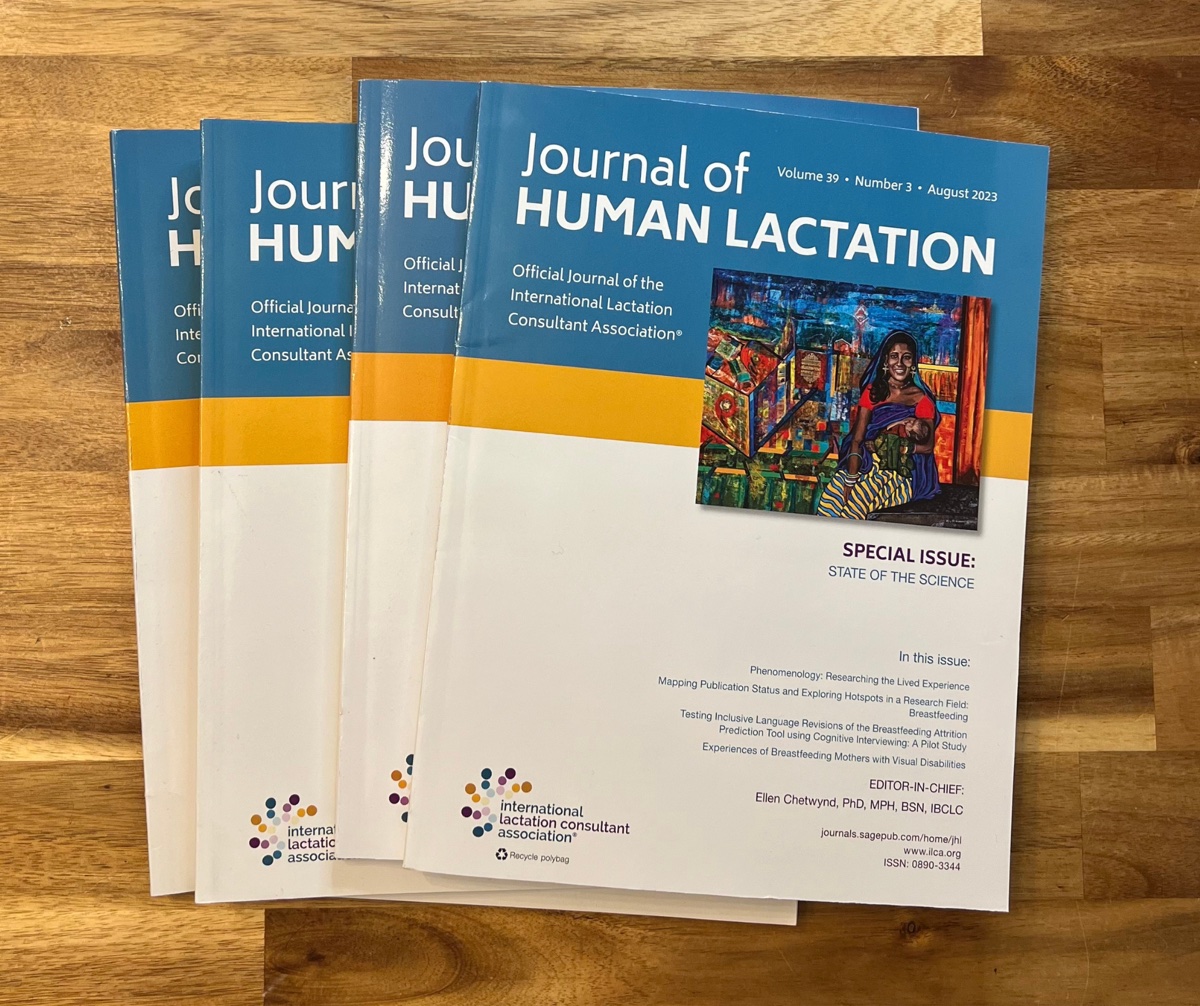
Staying Ahead of the Curve: A Guide to Keeping Up with the Latest in Lactation Research
Updated June 2026 · Originally published December 8, 2023 One question I get a lot from students and mentees is, "What's the best way to stay up-to-date…
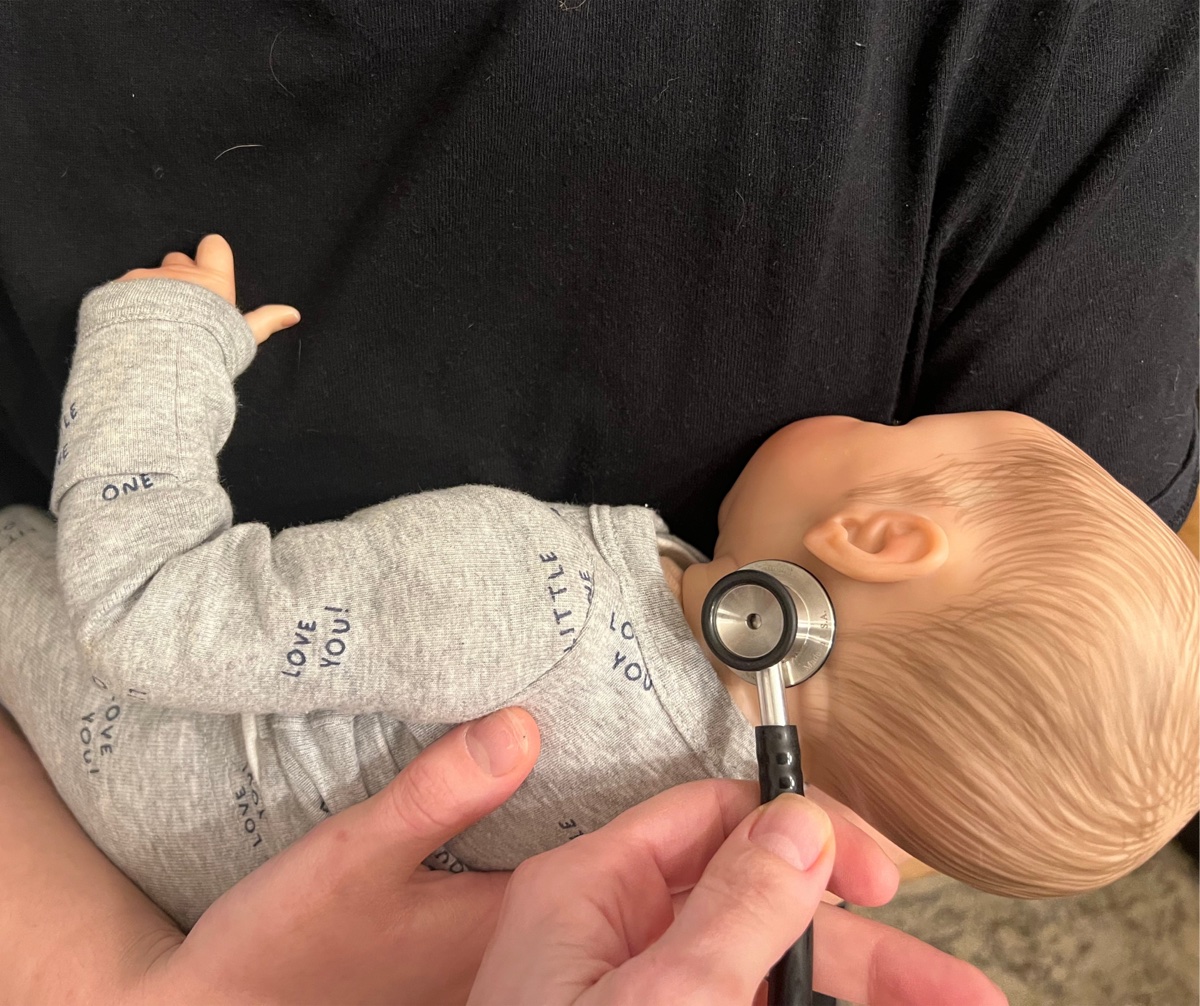
Stethoscopes: Unveiling Their Importance in Breastfeeding Assessments
One tool that I recommend every lactation consultant have in their toolbox is a stethoscope. Using a stethoscope will elevate your practice and improve…

Essential Tools: The Integral Role of Scales for the Lactation Consultant
Test weighing, the practice of weighing a baby before and after feeding to estimate feeding volume, is a clinically accessible and noninvasive method for…

Enhancing Your Practice: The Strategic Use of Breast Models for Lactation Consultants
Breastfeeding education plays a crucial role in empowering new mothers with the confidence and skills they need for successful nursing. A pivotal element…

Mastering the Art of Note-Taking: Essential Tips for Lactation Consultants During Visits
Note Taking at Lactation Visits Effective note-taking is not just a skill, but an essential tool in enhancing the quality of care you provide. As a new…

Essentials for Success: A Lactation Consultant's Guide to Assembling the Perfect Practice Bag
Are you a new LC, preparing to open a private practice, and confused about what should be in your visit bag? I was, too! Being well-prepared is key to…
Get new articles in your inbox
Subscribe to the weekly newsletter — practical insights and evidence updates for lactation professionals.
Subscribe Free