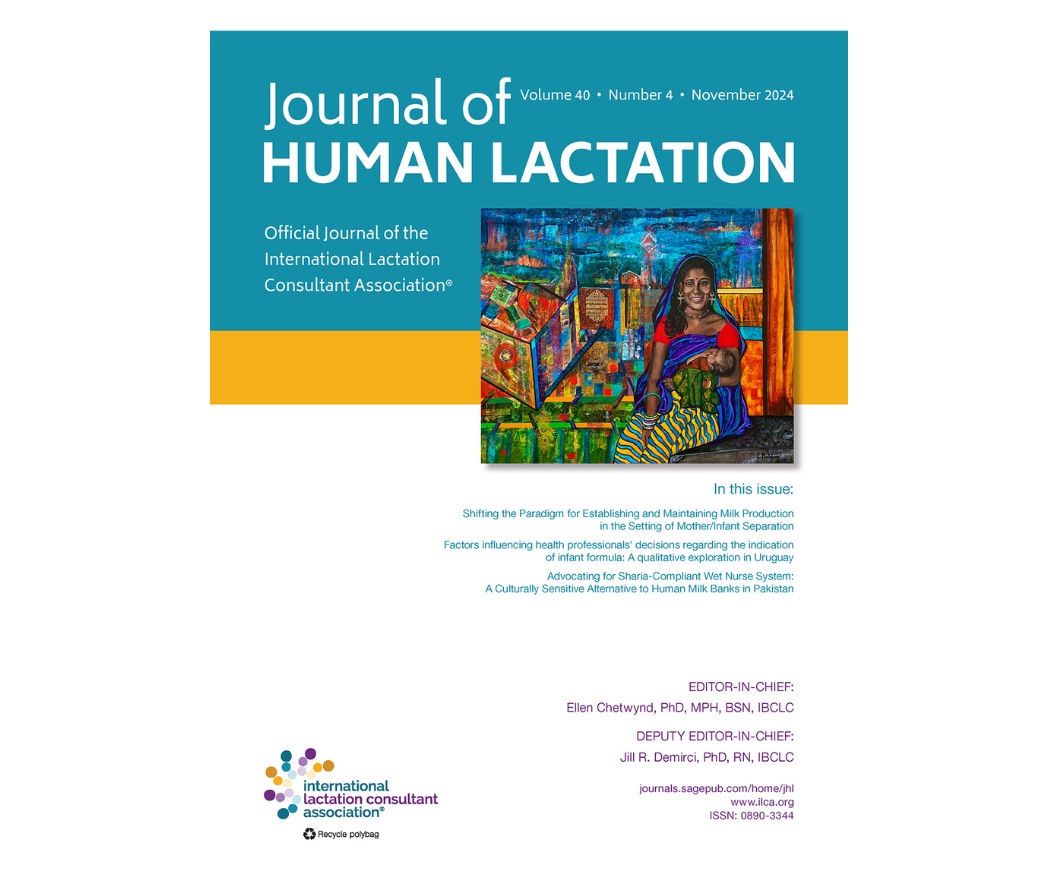
As lactation consultants, we have a responsibility to provide families with the most accurate, up-to-date, and reliable information possible. But how do we know that the advice we offer is sound? This is where evidence-based practice (EBP) comes into play. In this blog post, I’ll explore what EBP is, why it is crucial in the field of lactation, what to do if evidence is lacking, and how to reference evidence to support your practice.
What is Evidence-Based Practice?
According to Sackett et al. (1996), evidence-based practice is defined as "the conscientious, explicit, and judicious use of current best evidence in making decisions about the care of individual patients" (p. 71). This approach involves integrating clinical expertise with the best available external clinical evidence from systematic research.
Evidence-based practice (EBP) is a decision-making approach that integrates three key components:
- Best available evidence from current, high-quality research.
- Clinical expertise, which includes the practical knowledge and skills of the practitioner.
- Patient values and preferences, recognizing that each family's needs, culture, and circumstances are unique.
In the world of lactation consulting, EBP means using research to guide our recommendations, while also considering our own experience and the specific needs of each breastfeeding dyad.
Why is Evidence-Based Practice Important?
Melnyk & Fineout-Overholt (2019) emphasize that "evidence-based practice is a key strategy for improving the quality of healthcare, patient outcomes, and reducing costs" (p. 3). For lactation consultants, this means that grounding recommendations in research helps ensure that breastfeeding support is both effective and efficient.
There are a few reasons why EBP is essential for lactation consultants:
- Improves Outcomes: By basing our advice on solid evidence, we increase the likelihood of successful breastfeeding outcomes. Research-backed guidance can help us navigate complex issues, such as low milk supply or infant weight gain challenges.
- Builds Credibility: Parents are more likely to trust a consultant who bases recommendations on reliable research. This trust is key to fostering a positive relationship and ensuring adherence to breastfeeding plans.
- Reduces Harm: Lactation advice that isn’t supported by evidence can inadvertently cause harm. For example, recommending unnecessary supplementation may undermine breastfeeding. By relying on evidence, we reduce the risk of giving potentially harmful advice.
Why is Evidence Matters in Lactation Consulting?
Evidence-based practice isn't just a professional buzzword—it's a critical aspect of responsible care. For lactation consultants, staying grounded in evidence means providing accurate, reliable, and safe recommendations to families. Here’s why it matters:
- Ensuring the Best Outcomes for Families
Breastfeeding is a complex, biologically-driven process that can be affected by numerous factors, including infant health, maternal health, and birth interventions. By using evidence to guide our recommendations, we can increase the likelihood of achieving successful breastfeeding outcomes. For instance, research shows that strategies like skin-to-skin contact and demand feeding promote better milk production and infant growth (Lawrence & Lawrence, 2021). When lactation consultants rely on proven practices, we set parents up for success from the start. - Building Trust and Credibility
Families are more likely to trust a lactation consultant who can back up their advice with research. When we cite studies, guidelines, or evidence-based protocols, we’re demonstrating that our recommendations are rooted in more than just personal opinion or anecdotal experience. This trust is essential, especially when parents are navigating the emotional and physical challenges of early parenthood. - Staying Current in a Dynamic Field
The field of lactation is continually evolving, with new research shedding light on practices that can either support or hinder breastfeeding. For instance, recent studies have clarified the limited impact of maternal diet on breast milk composition, challenging long-held beliefs that were based more on tradition than evidence. By staying informed and adapting our practices based on the latest research, we provide families with advice that is both accurate and relevant.
The Risks of Practicing Outside of Evidence
When lactation consultants go beyond evidence-based practices, there’s a real risk of causing harm—either directly or indirectly. Here’s how this can happen:
- Undermining Breastfeeding Success
Offering recommendations that are not backed by evidence can inadvertently sabotage a mother’s breastfeeding journey. For example, suggesting unnecessary supplementation when there are no medical indications can lead to early weaning, lower milk supply, and frustration for the family. The Academy of Breastfeeding Medicine (2017) emphasizes that interventions like supplementation should be based on established protocols to avoid undermining breastfeeding efforts. - Harmful Consequences of Unproven Interventions
Consider the case of recommending tongue-tie revisions without a thorough assessment of breastfeeding function. While tongue-tie procedures can be beneficial in certain cases, there’s no universal evidence supporting their use in all breastfeeding challenges. Over-relying on procedures that aren’t consistently supported by evidence can expose infants to unnecessary risks, including pain and infection, while failing to address the actual cause of breastfeeding difficulties. - Eroding Professional Credibility
When lactation consultants provide advice based on anecdotal evidence or unproven theories, it can damage the credibility of the entire profession. Families may feel misled or confused when conflicting advice is given by different professionals. This can create distrust not only towards individual consultants but also towards the lactation consulting field as a whole. By sticking to evidence-based practices, we maintain a standard of care that helps solidify our role as trusted healthcare providers. - Legal and Ethical Implications
Practicing outside of evidence can also have legal consequences. For example, if a lactation consultant recommends an alternative therapy or supplement that isn’t supported by evidence and it results in harm, they could face liability issues. The IBCLC Code of Professional Conduct emphasizes that consultants must “maintain professional competence” by providing care that is based on the best available evidence.
What do Do When There is No Evidence
Despite the growth in breastfeeding research, there are still gaps in our knowledge. Sometimes, we encounter situations where there isn’t a strong body of evidence to guide our recommendations. According to Morton (2016), when evidence is not readily available on a specific breastfeeding issue, lactation consultants should rely on their clinical experience and the consensus guidelines of established organizations like the Academy of Breastfeeding Medicine. It is also essential to "remain transparent with families, acknowledging the limits of current evidence" to foster trust and informed decision-making.
In these cases, lactation consultants can:
- Rely on clinical experience: Draw upon your expertise, using your knowledge of similar cases and professional judgment.
- Consider consensus guidelines: Look for guidance from trusted organizations like the Academy of Breastfeeding Medicine (ABM) or the International Lactation Consultant Association (ILCA).
- Acknowledge uncertainty: It’s okay to tell parents that there isn’t clear evidence on a particular topic. Being transparent about the limits of current research helps build trust.
- Prioritize individualized care: Focus on the specific needs and preferences of the family. Sometimes, what works best for one dyad may not be appropriate for another, even if evidence is lacking.
How to Refer to Evidence to Support Your Practice
When referring to evidence, it’s essential to do so responsibly:
- Use reputable sources: Prioritize peer-reviewed journals, meta-analyses, and position statements from established organizations. Avoid relying on anecdotal blogs or non-scientific sources.
- Cite the evidence clearly: When providing advice, let families know that your recommendations are supported by research. For instance, “Based on a study published in the Journal of Human Lactation (Smith et al., 2023), skin-to-skin contact can significantly improve milk production.”
- Keep learning: Evidence evolves, so it’s important to stay updated with new research. Lawrence & Lawrence (2021) stress that "breastfeeding is a dynamic field where recommendations may shift as new research emerges. It is crucial for lactation professionals to stay updated with the latest evidence to provide the most effective support" (p. 387).
- Subscribe to journals, attend conferences, and take continuing education courses to ensure your practice remains current.
Evidence-based practice is more than just a buzzword; it’s the foundation of providing quality lactation care. The Academy of Breastfeeding Medicine (2017) notes that while evidence-based protocols are essential, they should always be applied with consideration for the unique needs of each mother-baby dyad. They recommend that consultants "tailor interventions to fit the family's values, preferences, and circumstances, even when following established protocols."
By integrating research, experience, and patient values, lactation consultants can offer advice that is both effective and respectful of each family’s needs. And when evidence is lacking, our professional judgment and adherence to trusted guidelines will help us navigate the complexities of breastfeeding support.
Evidence matters because it ensures that the families we serve are receiving the best possible care. And in the rapidly evolving field of lactation, committing to evidence-based practice is how we continue to grow as professionals and advocates for breastfeeding success.
References
Academy of Breastfeeding Medicine (ABM). (2017). Evidence-based breastfeeding protocols.
Bishop, J. L., & Lee, J. A. (2019). Evidence-based lactation practice: Enhancing outcomes in breastfeeding support. Journal of Human Lactation, 35(3), 489-500.
Gray, J. R., Grove, S. K., & Sutherland, S. (2017). The Practice of Nursing Research: Appraisal, Synthesis, and Generation of Evidence (8th ed.). Elsevier.
Lawrence, R. A., & Lawrence, R. M. (2021). Breastfeeding: A Guide for the Medical Profession (9th ed.). Elsevier.
Melnyk, B. M., & Fineout-Overholt, E. (2019). Evidence-Based Practice in Nursing & Healthcare: A Guide to Best Practice (4th ed.). Wolters Kluwer Health.
Morton, J. A. (2016). The role of evidence-based practice in improving lactation outcomes. Clinical Lactation, 7(1), 9-13.
Sackett, D. L., Rosenberg, W. M., Gray, J. A., Haynes, R. B., & Richardson, W. S. (1996). Evidence based medicine: What it is and what it isn't. BMJ, 312(7023), 71-72.