In the landscape of modern lactation support, breast pumps are omnipresent—used by over 80% of breastfeeding mothers in the U.S. (Eglash & Malloy, 2015). But these tools are far more than just milk extractors. They reflect historical shifts, cultural pressures, biomedical innovation, policy limitations, and the often invisible labor of caregiving. This post provides an extensive review of breast pumps, supported by current literature and FDA reports, to help lactation professionals guide families with clarity and care.
The History of Breast Pumps: From Hospitals to Homes
Electric breast pumps emerged from clinical necessity in the early 20th century, developed to support mothers of premature infants in hospitals (Leiter et al., 2022). Early models mimicked milking machines and were used almost exclusively by healthcare providers. Widespread home use didn't occur until the 1990s, when Medela and Ameda introduced personal-use pumps (Eglash & Malloy, 2015).
Despite concerns from breastfeeding advocates about over-medicalizing infant feeding, consumer use surged—especially after the Affordable Care Act required insurers to cover breast pumps and lactation services (Kapinos et al., 2018). This shift transformed breastfeeding into a process increasingly mediated by machines.
Why Mothers Pump: Beyond Necessity
Common reasons for using a pump include:
-
NICU or postpartum separation
-
Premature or ill infants unable to latch
-
Return to work or school
-
Exclusive pumping or shared feeding responsibilities
-
Milk donation or relactation efforts
-
Personal preference or body autonomy
NICU mothers often begin pumping within hours of birth. Initiating expression within one hour is strongly associated with improved lactation outcomes (Zhang et al., 2018). Frequent expression—at least 8–12 times daily—also supports prolactin surges and sustained supply (Eden, 2024).
Types of Pumps: One Size Does Not Fit All
-
Manual pumps: Low-cost, quiet, and ideal for occasional use or emergencies.
-
Battery-operated pumps: Portable but associated with higher injury rates (Qi et al., 2013).
-
Single/double electric pumps: Good for consistent expression, with double pumping saving time and increasing output (Eglash & Malloy, 2015).
-
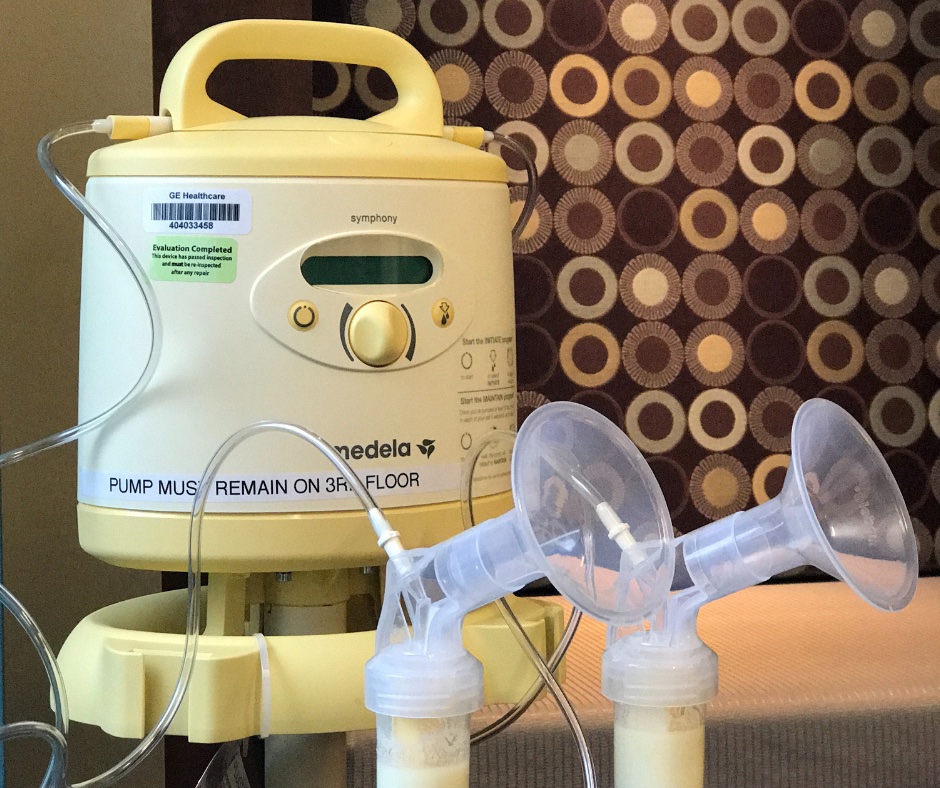
Hospital-grade (multiuser) pumps: The gold standard in NICUs and relactation protocols.
-
Wearable pumps: Increasingly popular, though some studies question their efficiency and milk output (Heitzman et al., 2023).
Double pumping has been shown to stimulate more milk ejections and produce higher fat content in expressed milk (Morton et al., 2009).
Pump Design, Functionality, and Suction
Pump suction patterns and pressure influence both comfort and efficacy. Infant suckling patterns are variable, but full-term infants often exert −50 to −197 mmHg. Most electric pumps max out around −270 mmHg (Eglash & Malloy, 2015). Suction beyond −200 mmHg has been linked with tissue injury if misused (Qi et al., 2013).
A recent FDA review found that 66% of adverse event reports involved suction issues or electrical failures (Leiter et al., 2022). Malfunctions included:
-
Overheating and electrical sparks
-
Motor failures and poor suction
-
Milk contamination and leakage
-
Nipple trauma and breast injury
The Critical Role of Flange Fit
Among all the technical and clinical aspects of pump use, flange fit may be the most misunderstood and under-discussed, despite its profound impact on maternal comfort, nipple integrity, and milk expression efficiency.
What Is a Flange?
The flange, or breast shield, is the funnel-shaped part of the breast pump that fits over the nipple and areola to create a vacuum seal. Most standard pump kits come with a 24–27 mm flange size by default—but this “one-size-fits-all” approach rarely works well.
Why Fit Matters
A poorly fitting flange can lead to:
-
Nipple pain, bruising, or blanching
-
Nipple or areolar trauma (blisters, cracking, bleeding)
-
Inadequate milk removal and reduced supply
-
Edema (swelling of nipple/areolar tissue)
-
Increased risk of clogged ducts and mastitis
-
Psychological discomfort, stress, and early weaning
Research shows that poor fit is one of the leading causes of pump-related injury and dissatisfaction (Qi et al., 2013). A 2024 pilot study by Anders et al. found that smaller flanges—when sized to fit the nipple diameter accurately—resulted in higher milk output, greater comfort, and fewer symptoms of nipple trauma compared to traditionally recommended sizes.
The Problem with “Standard” Sizing
Many flange sizing guides advise measuring the nipple and selecting a flange 2–4 mm larger than its resting diameter. However, this approach assumes all nipples behave similarly under vacuum, which is not the case. Nipple elasticity, swelling, and skin sensitivity vary significantly.
Studies show that some individuals express more milk and experience less trauma when using flanges the same size or even smaller than their resting nipple diameter (Anders et al., 2024). Others benefit from more space due to swelling or elongated nipples during pumping.
In the NICU setting, proper flange sizing can be crucial for pump-dependent parents. It supports both supply and confidence and may prevent early cessation of lactation efforts (Eglash & Malloy, 2015; Anders et al., 2024).
Flange fit isn’t just a comfort issue—it’s a clinical issue that affects supply, outcomes, and the breastfeeding experience. Every lactation consultant should be proficient in sizing, troubleshooting, and educating families about this often-overlooked variable.
Cleaning, Sterility, and NICU Safety
Cleaning practices vary, but evidence supports:
-
Best: Hot soapy water followed by boiling (Girard et al., 2023)
-
Okay: Dishwasher use, depending on parts
-
Poor: Cold rinsing or wiping with cloths alone
NICUs must exercise greater caution. Several case reports link improper cleaning to E. coli infections, highlighting the importance of sterilization, especially for immunocompromised infants (Aradhya & Mohammed, 2025).
Avoid interchanging parts from different pump brands. Doing so can drastically alter suction pressures and compromise pump performance (Jackson et al., 2020).
Pump Problems and Risk of Injury
A landmark FDA study found that 15% of mothers using pumps experienced an injury—most commonly sore nipples, followed by bruising and nipple lacerations (Qi et al., 2013). Contributing factors include:
-
Using battery-operated or manual pumps
-
Learning from written instructions instead of in-person guidance
-
Improper suction settings
-
Using second-hand or poorly cleaned equipment
Despite these risks, there is no direct evidence that pump use causes mastitis. In fact, effective milk removal can prevent mastitis by reducing milk stasis (Mitoulas & Davanzo, 2022).
How Breast Pumps Are Tested and Approved in the U.S.
In the United States, breast pumps are regulated as medical devices by the Food and Drug Administration (FDA) under the Medical Device Amendments to the Food, Drug, and Cosmetic Act of 1976. The FDA classifies medical devices into three categories based on their risk to users:
-
Class I (low risk) – Manual pumps typically fall into this category.
-
Class II (moderate risk) – Electric breast pumps fall into this class and require more scrutiny than Class I devices but less than Class III devices (such as implants or life-support equipment).
Rather than requiring full clinical trials for approval, most breast pumps enter the market through the FDA’s 510(k) clearance pathway. This means that manufacturers must demonstrate that their device is “substantially equivalent” to a legally marketed predicate device. In other words, if the new pump works similarly to an existing pump that’s already been cleared, it can receive approval—without needing to demonstrate safety or effectiveness through independent clinical testing (Leiter et al., 2022).
This system has several limitations:
-
No clinical trials are required for new electric pump models, even if design changes could impact suction, pressure, or safety.
-
Adverse event monitoring happens after devices are on the market, primarily through the MAUDE database (Manufacturer and User Facility Device Experience), where manufacturers report device malfunctions, injuries, or failures.
-
Recalls are rare, and most safety issues come to light only when many users experience harm or submit complaints (Leiter et al., 2022).
While the 510(k) pathway is designed to speed up access to medical devices, it may not be adequate for a device as intimate and biologically impactful as a breast pump. Reports of overheating, suction injuries, and electrical malfunctions in FDA filings have raised concerns about inconsistent quality and inadequate premarket testing (Qi et al., 2013; Leiter et al., 2022).
Sociocultural Considerations: Pumping and the Pressures of Motherhood
The breast pump has become a symbol of maternal sacrifice, shaped by neoliberal ideologies and gendered expectations (Leiter et al., 2022). While pumps are framed as empowering tools, they also reflect broader cultural tensions:
-
Pressure to return to work while maintaining exclusive milk feeding
-
Feelings of inadequacy for relying on technology over “natural” feeding
-
Lack of privacy or accommodation in public or workplace settings
The breast pump promises flexibility but often demands that mothers absorb the burden of reconciling motherhood and employment without structural support (Leiter et al., 2022; Qi et al., 2013).
Equity, Access, and Advocacy
Although the ACA and WIC improved pump access, barriers persist:
-
Not all states fully cover pumps through Medicaid
-
Some employers fail to comply with lactation break laws
-
Secondhand pump use remains common among low-income families
Programs offering affordable or free rentals—like those evaluated in Australia—demonstrated improved feeding outcomes and maternal satisfaction (Sweet et al., 2024).
Lactation professionals must continue to advocate for:
-
Paid family leave
-
Workplace accommodations
-
Medicaid coverage of lactation equipment and services
Evidence-Based Recommendations for Lactation Professionals
Assess context: Understand why, when, and how a parent is using the pump
Start early: Initiate expression within the first hour postpartum if needed
Educate thoroughly: Demonstrate use, review cleaning protocols, and ensure good flange fit
Avoid assumptions: Customize suction and cycle speed based on comfort and efficiency
Watch for red flags: Persistent pain, poor output, or nipple damage require reassessment
Support equitably: Advocate for pump access, workplace rights, and culturally safe care
References
Anders, L. A., Mesite Frem, J., & McCoy, T. P. (2025). Flange Size Matters: A Comparative Pilot Study of the Flange FITS TM Guide Versus Traditional Sizing Methods. Journal of Human Lactation, 41(1), 54–64. https://doi.org/10.1177/08903344241296036
Anderson, L. A., Kildea, S., Lee, N., Kynoch, K., & Gao, Y. (2022). A comparison of the timing of hand expressing of human milk with breast massage to standard care for mothers of preterm infants. Journal of Human Lactation, 39(2), 226–235. https://doi.org/10.1177/08903344221088789
Aradhya, S., & Mohammed, S. (2025). Improper cleaning of breast pump kits linked to E. coli meningitis in NICU: A case review. Pediatric Infectious Disease Journal, 44(2), 192e225. https://doi.org/10.1097/INF.0000000000004123
Clarke, A. E., Shim, J. K., Mamo, L., Fosket, J. R., & Fishman, J. R. (2010). Biomedicalization: Technoscience, health, and illness in the U.S. Duke University Press.
Demirci, J. R. (2019). The rise and coming of age of the electric breast pump. Journal of Perinatal & Neonatal Nursing, 33(4), 288–296. https://doi.org/10.1097/JPN.0000000000000433
Eden, C. (2024). Shifting the paradigm for establishing and maintaining milk production in the setting of mother/infant separation. Journal of Human Lactation, 40(4), 535–538. https://doi.org/10.1177/08903344241278988
Eglash, A., & Malloy, M. (2015). Breastmilk expression and breast pump technology. In: Breastfeeding and Human Lactation (5th ed.), Jones & Bartlett Learning.
Laforce-Lavoie, A., Turgeon, A., Gaussen, A., & Girard, M. (2023). Comparison and Efficacy of Breast Pump Cleaning Techniques for Bioburden Reduction. Breastfeeding Medicine, 18(5), 338–346. https://doi.org/10.1089/bfm.2022.0234
Heitzman, M., & Nair, N. (2023). Maternal satisfaction with breastfeeding using a wearable versus traditional breast pump. Journal of Human Lactation, 40(1), 166. https://doi.org/10.1177/08903344231216470
Jackson, B. A., Pawlowski, C. M., Weiner, G. M., Sturza, J., & Stanley, K. P. (2020). Interchanging Breast Pump Kit Brands Alters Breast Pump Suction Pressure. Breastfeeding Medicine, 15(2), 79–83. https://doi.org/10.1089/bfm.2019.0153
Kapinos, K. A., Bullinger, L., & Gurley-Calvez, T. (2018). The Affordable Care Act, Breastfeeding, and Breast Pump Health Insurance Coverage. JAMA Pediatrics, 172(11), 1002. https://doi.org/10.1001/jamapediatrics.2018.2003
Kent, J. C., Ramsay, D. T., Doherty, D., Larsson, M., & Hartmann, P. E. (2003). Response of breasts to different stimulation patterns of an electric breast pump. Journal of Human Lactation, 19(2), 179–186. https://doi.org/10.1177/0890334403252473
Leiter, V., Agiliga, A., Kennedy, E., & Mecham, E. (2022). Pay at the pump?: Problems with electric breast pumps. Social Science & Medicine, 292, 114625. https://doi.org/10.1016/j.socscimed.2021.114625
Mitoulas, L. R., & Davanzo, R. (2022). Breast pumps and mastitis in breastfeeding women: Clarifying the relationship. Frontiers in Pediatrics, 10, Article 856353. https://doi.org/10.3389/fped.2022.856353
Morton, J., Hall, J. Y., Wong, R. J., et al. (2009). Combining hand techniques with electric pumping increases milk production. Journal of Perinatology, 29(11), 757–764. https://doi.org/10.1038/jp.2009.87
Qi, Y., Zhang, Y., Fein, S., Wang, C., & Loyo-Berríos, N. (2013). Maternal and breast pump factors associated with breast pump problems and injuries. Journal of Human Lactation, 30(1), 62–72. https://doi.org/10.1177/0890334413507499
Hawkins, S. S., Horvath, K., Noble, A., & Baum, C. F. (2022). ACA and Medicaid Expansion Increased Breast Pump Claims and Breastfeeding for Women with Public and Private Insurance. Women's Health Issues, 32(2), 114–121. https://doi.org/10.1016/j.whi.2021.10.005
Sweet, L., Hughes, J., Rasheed, A., & Vasilevski, V. (2024). An innovative low-cost breast pump-hire program to enhance breastfeeding rates in a neonatal intensive care unit. Journal of Advanced Nursing, 80, 5120–5127. https://doi.org/10.1111/jan.16180
Wiwanitkit, V. (2012). Warm breastshields and breast milk pumping. Journal of Human Lactation, 28(2), 115. https://doi.org/10.1177/0890334412437765
Zhang, Y., Tang, L., Yang, L., Jin, W., & Wang, J. (2018). Effect of electric breast pump suction pattern on lactogenesis in cesarean-delivered mothers. International Journal of Environmental Research and Public Health, 15(12), 2703. https://doi.org/10.3390/ijerph15122703