Pumping, Storage & Donor Milk
For many families, expressed milk is how breastfeeding goals are met. This collection covers breast pumps, from their history and evidence base to safety, along with how to store and handle expressed milk. It concludes with a three-part series on milk banking that traces donor milk from its history to the science of pasteurization to questions of global access and equity.
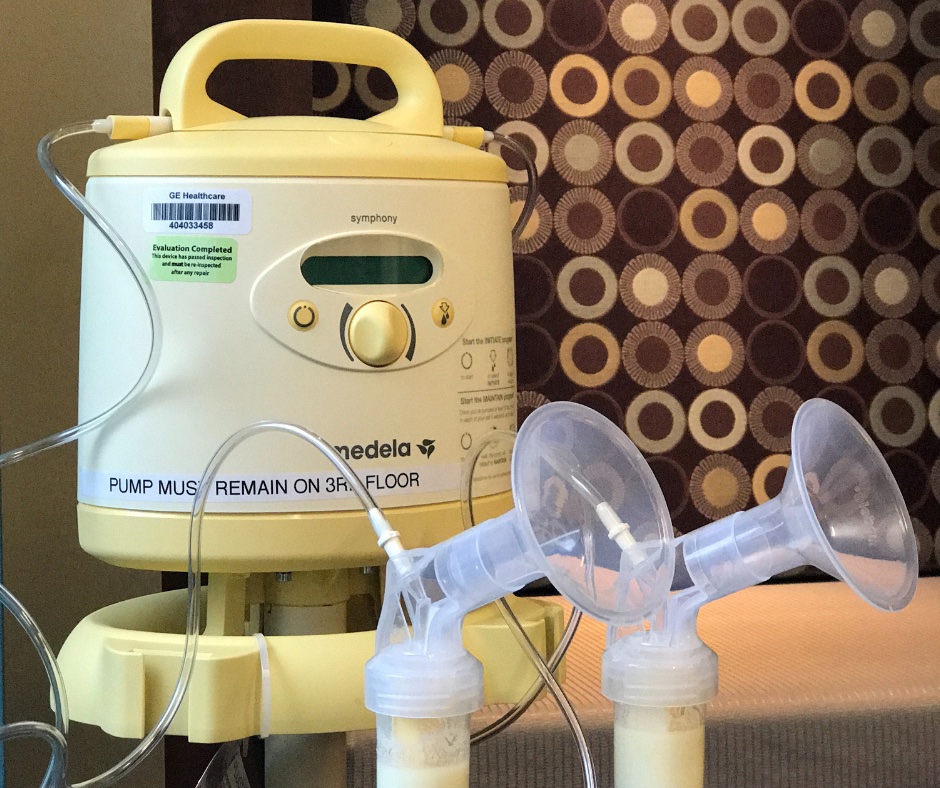
Breast Pumps: History, Safety, Evidence, and Equity in Infant Feeding
In the landscape of modern lactation support, breast pumps are omnipresent—used by over 80% of breastfeeding mothers in the U.S. (Eglash & Malloy,…

Ensuring Breast Pump Safety: A Guide for Lactation Consultants
Breast pumps have become a crucial tool in modern lactation care, but concerns about safety, effectiveness, and potential harm remain largely unaddressed.…
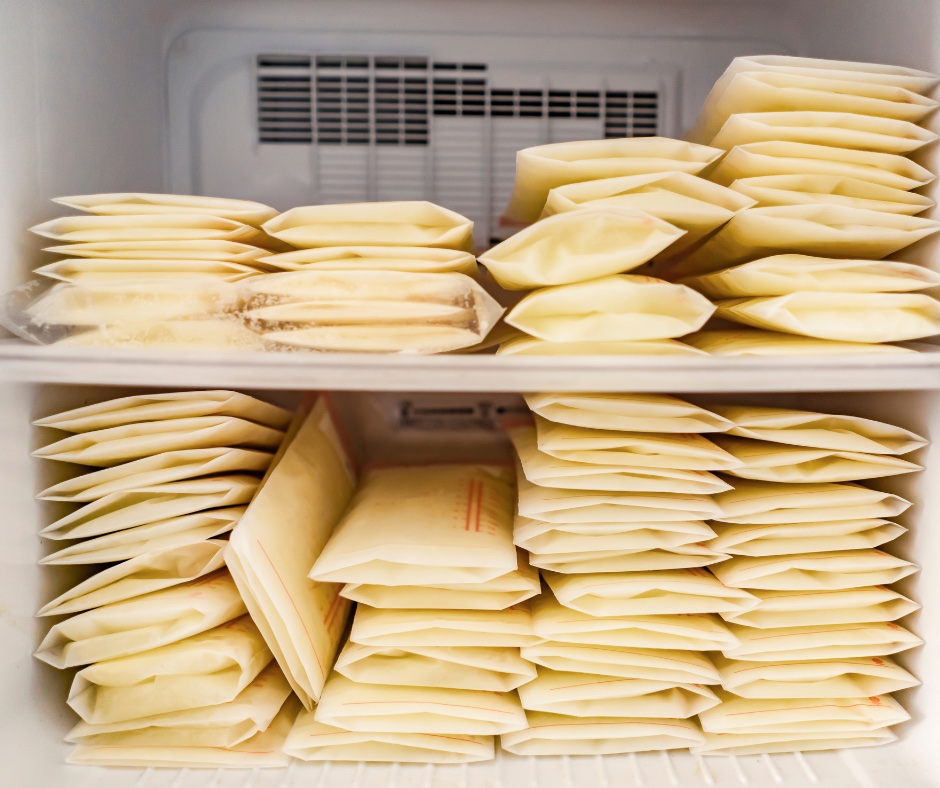
Milk Storage and Pasteurization: What Lactation Professionals Need to Know
Human milk storage and pasteurization are critical topics for lactation professionals. Whether supporting families storing expressed milk at home or…
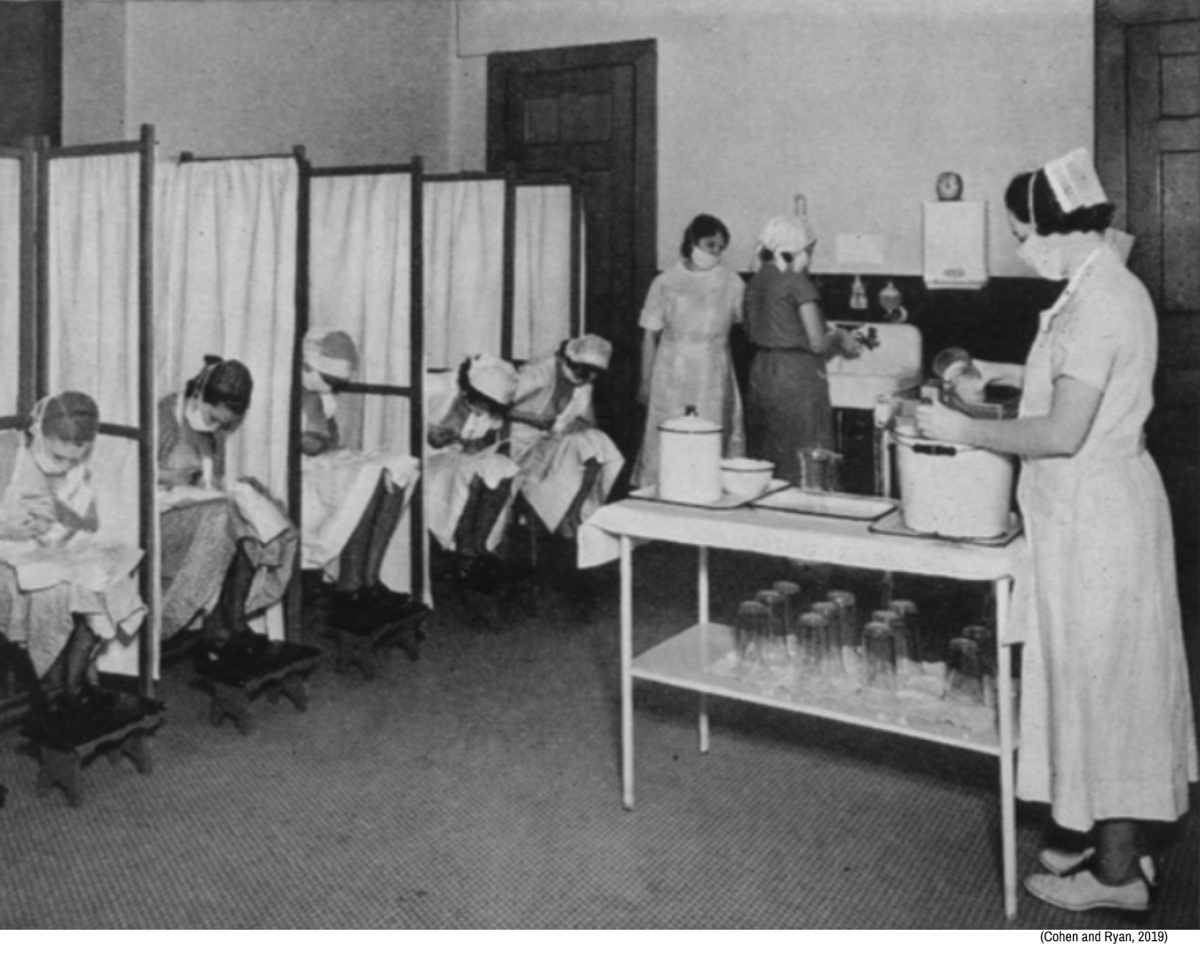
Milk Banking 101 – Part 1: A History of Milk Banking
Before there were milk banks, there were mothers helping mothers. Wet nursing — the practice of one woman breastfeeding another’s baby — has existed for…
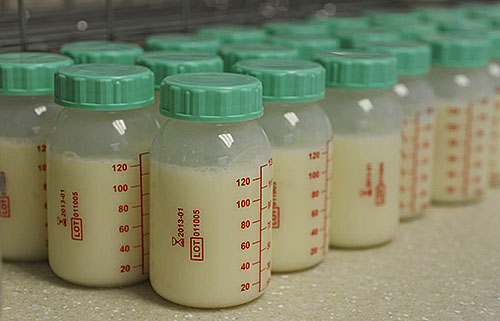
Milk Banking 101 – Part 2: Inside the Milk Bank – Safety and Science of Donor Milk
While the history of milk banking is rich and evolving, today's donor human milk systems are built on a foundation of safety, clinical rigor, and growing…
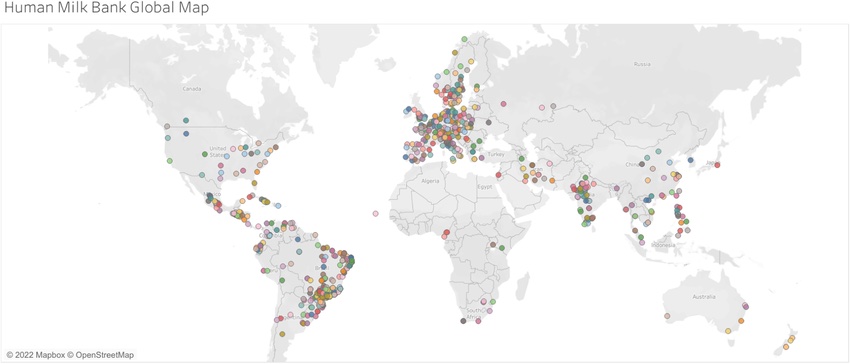
Milk Banking 101: Part 3 – The Global Landscape of Milk Banking: Access, Ethics, and Equity
Donor milk saves lives, but who gets it—and how—is not the same around the world. In this final part of our series, we explore how milk banking systems…
Get new articles in your inbox
Subscribe to the weekly newsletter — practical insights and evidence updates for lactation professionals.
Subscribe Free