Infant Growth & Weight
Weight gain is one of the clearest objective measures we have of how breastfeeding is going, and one of the most frequently misread. This collection covers how to use and interpret growth charts, what feeding behavior looks like at different ages, how to calculate intake, and how to get accurate weights. It ends with a case study that puts these skills together in a real poor weight gain scenario.
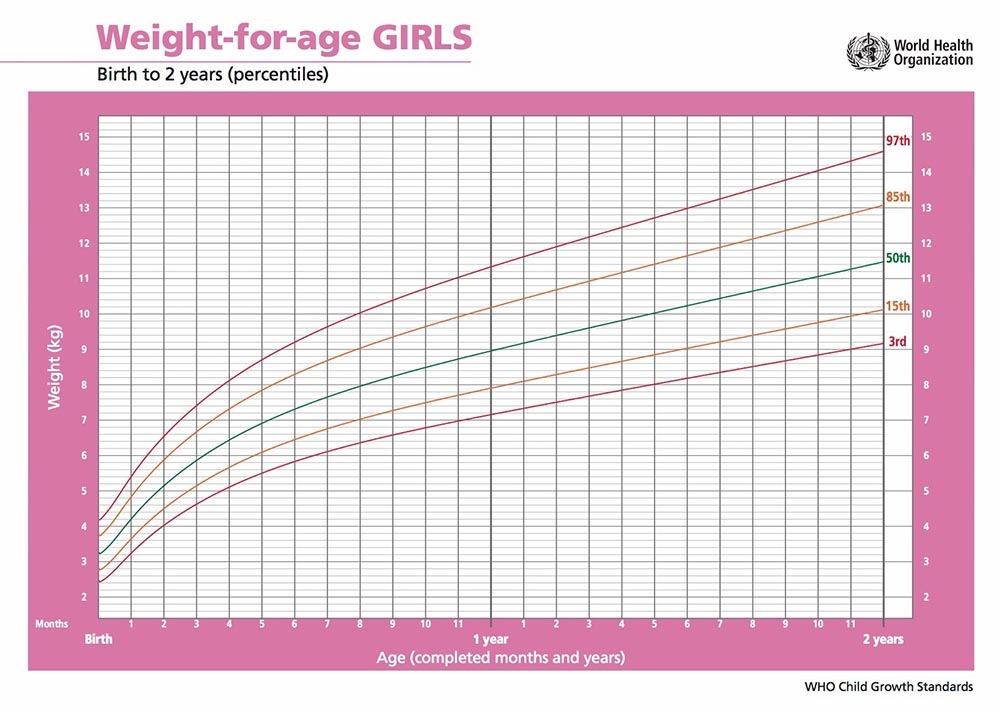
Understanding Growth Charts: Monitoring Growth in the First 24 Months
Growth charts are essential tools for monitoring infant development and well-being. For parents and providers working with breastfeeding dyads,…

Understanding Infant Growth: How to Use WHO Charts to Support Breastfeeding Dyads
Growth charts are an essential clinical tool for lactation consultants. They help assess how well an infant is growing and whether that growth is in line…

Feeding Behaviors by Age: What’s Normal and What’s Not
Feeding is never just about nutrition. For an infant, feeding is a full-body, full-brain experience involving reflexes, motor coordination, sensory input,…

Mastering Intake Calculations for Breastfeeding Success: A Guide for Healthcare Professionals
One critical skill that is necessary for assisting breastfeeding dyads is being able to calculate appropriate intake. Whether you are trying to determine…

Essential Tools: The Integral Role of Scales for the Lactation Consultant
Test weighing, the practice of weighing a baby before and after feeding to estimate feeding volume, is a clinically accessible and noninvasive method for…

Lactation Case Study: Poor weight gain at 5 months
This is the case of a dyad that I saw where the baby was exhibiting poor weight gain at 5 months after appropriate weight gain previously. I’ll share the…
Get new articles in your inbox
Subscribe to the weekly newsletter — practical insights and evidence updates for lactation professionals.
Subscribe Free