Tongue-Tie & Oral Function
Few topics in lactation generate more debate than tongue-tie. Before you can evaluate it well, you need a solid understanding of normal infant oral function. This collection builds that foundation first, covering newborn reflexes, suck–swallow–breathe coordination, and the cranial nerves involved in feeding. It then moves into hands-on oral assessment and a careful look at the tongue-tie evidence, so you can assess the whole dyad rather than the frenulum alone.
Root to Rise: Understanding Newborn Reflexes and Their Role in Feeding
Feeding a newborn may seem like a simple biological function—but in reality, it’s a complex and finely tuned symphony of reflexes, rhythms, and instincts.…

Suck–Swallow–Breathe: The Infant Anatomy Behind Feeding Coordination
Feeding is one of the most complex and vital skills a newborn must perform. A healthy infant’s ability to suck, swallow, and breathe in a coordinated…

Cranial Nerves in Breastfeeding: The Neural Pathways of Suck, Swallow, and Rooting
Breastfeeding an infant is far more complex than it appears. Behind the seemingly simple act of a baby latching onto the breast and drinking milk lies a…

What to Feel For: A Lactation Professional’s Guide to Digital Oral Exams
As lactation professionals, much of what we assess can be seen or heard—a baby’s latch, a mother’s nipple condition, audible swallows. But when it comes…
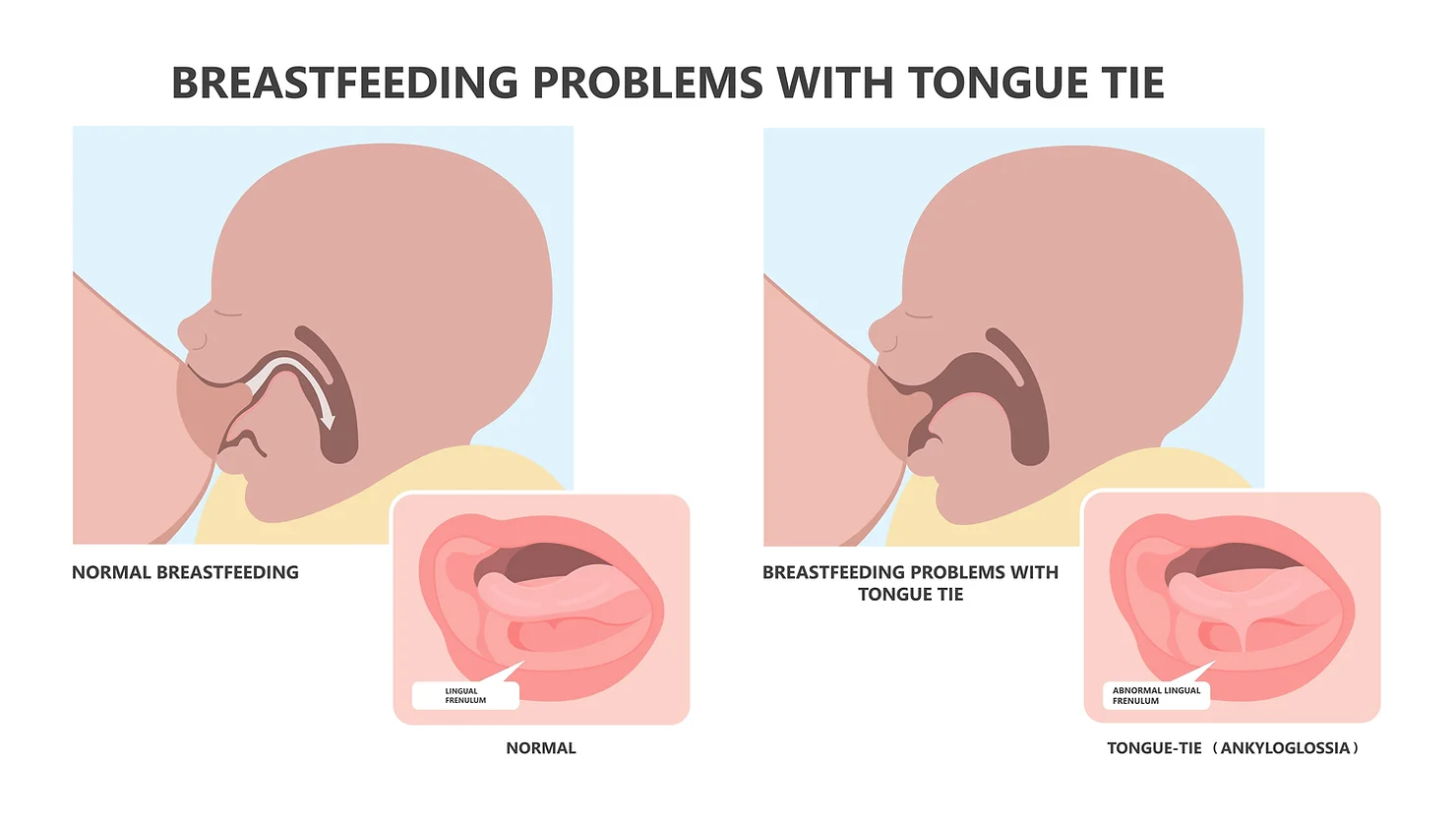
Understanding Tongue-Tie and Its Impact on Breastfeeding – What the Latest Evidence Says
Tongue-tie, or ankyloglossia, has increasingly become a topic of discussion among breastfeeding families and healthcare providers. With recent guidelines…

The Tongue-Tie Debate: What Lactation Consultants Need to Know
Tongue-tie (ankyloglossia) is one of the most debated topics in infant feeding today. As lactation consultants, we often encounter families struggling…
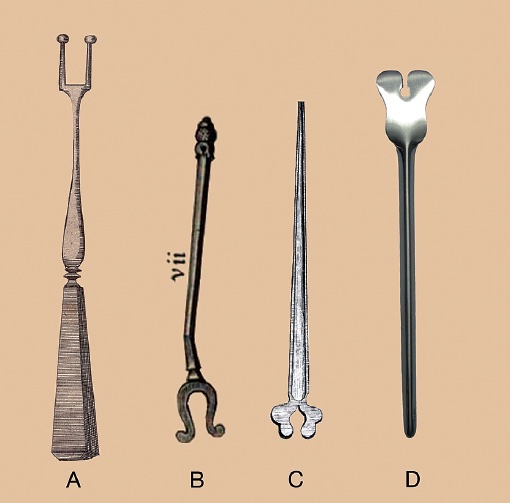
How Did We Get Here? A Lactation Educator’s Deep Dive Into the Tongue-Tie Obsession
As a Pathway 2 instructor, I have the privilege of working with hundreds of aspiring International Board Certified Lactation Consultants (IBCLCs) each…

Craniosacral Therapy and Breastfeeding: What the Evidence Tells Us
Babies who struggle at the breast are often described as “disorganized,” “weak,” or “uncoordinated,” yet for many dyads, standard lactation management…
Get new articles in your inbox
Subscribe to the weekly newsletter — practical insights and evidence updates for lactation professionals.
Subscribe Free