Supplementation
Supplementation is one of the most consequential decisions in early lactation care, and one of the easiest to get wrong in either direction. This collection walks through when supplementation is clinically indicated, how to calculate volumes, which feeding methods protect breastfeeding, and what lactation professionals need to understand about formula itself: its risks, how it is regulated, and how it is marketed. Read in order, it moves from bedside decision-making to the broader context that shapes every conversation you have with families about supplementing.
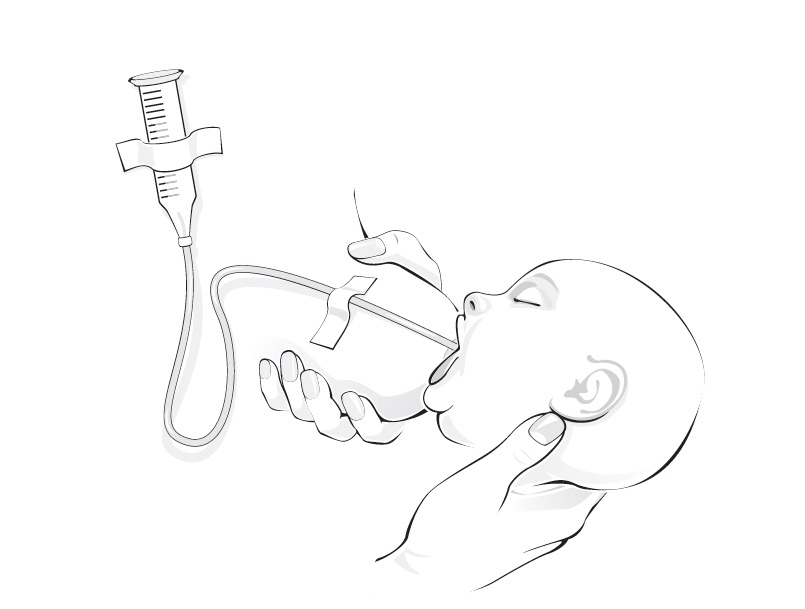
A Detailed Look at Alternative Feeding Methods for Supplementing Breastfed Babies: A Guide for Lactation Consultants
When a baby needs to be supplemented, it is often recommended to avoid bottles and use alternative methods. This is thought to protect the breastfeeding…

Mastering Intake Calculations for Breastfeeding Success: A Guide for Healthcare Professionals
One critical skill that is necessary for assisting breastfeeding dyads is being able to calculate appropriate intake. Whether you are trying to determine…

The Risks of Formula Feeding: What You Need to Know
Formula companies present their products as safe, scientifically tested, and nutritionally complete. But when you look beyond the glossy labels, a…

Growth, Not Health: The Formula Industry’s Standard
Walk into any U.S. grocery store and you’ll see an aisle of infant formula promising peace of mind in shiny cans. Labels boast “closest to breast milk,”…

The WHO Code of Marketing of Breastmilk Substitutes: A Guide for Lactation Consultants
The International Code of Marketing of Breastmilk Substitutes , commonly referred to as the WHO Code , is a global public health policy established by the…
Get new articles in your inbox
Subscribe to the weekly newsletter — practical insights and evidence updates for lactation professionals.
Subscribe Free