Milk Supply
Concern about milk supply is the most common reason parents seek lactation support, and one of the most misunderstood. This collection starts with how to define and diagnose low supply, moves through evidence-based treatment, and then examines the maternal factors that can delay or limit production. The goal is a clear, systematic approach: distinguish perceived from true low supply, identify the root cause, and choose interventions the evidence actually supports.

Understanding Low Milk Supply—Definitions, Causes, and Diagnosis: Part 1
Low milk supply is a common concern among breastfeeding parents and one of the leading reasons for early weaning. For lactation professionals,…

Evidence-Based Treatments and Support for Low Milk Supply: Part 2
In Part 1 , I explored the definitions, causes, and diagnostic signs of low milk supply. Now I'll turn to what lactation professionals can do to support…

Understanding Delayed Lactogenesis II: Risk Factors and Strategies for Support
Delayed lactogenesis II (DLII)—often referred to by parents as "milk coming in late"—is a clinical concern with meaningful implications for breastfeeding…

Breast Hypoplasia: What Lactation Professionals Need to Know
As lactation professionals, we know that milk production is influenced by many factors—hormonal balance, birth practices, infant behavior, maternal…

PCOS and Breastfeeding: What Lactation Professionals Need to Know
Polycystic ovary syndrome (PCOS) is a common endocrine disorder, affecting 5–15% of reproductive-aged women (Joham et al., 2016). It is characterized by…

Nutritional and Water Requirements for Lactation: Impact on Milk Quality, Quantity, and Infant Health
Lactating mothers have unique nutritional and hydration needs to support milk production, maintain their health, and ensure optimal growth and development…
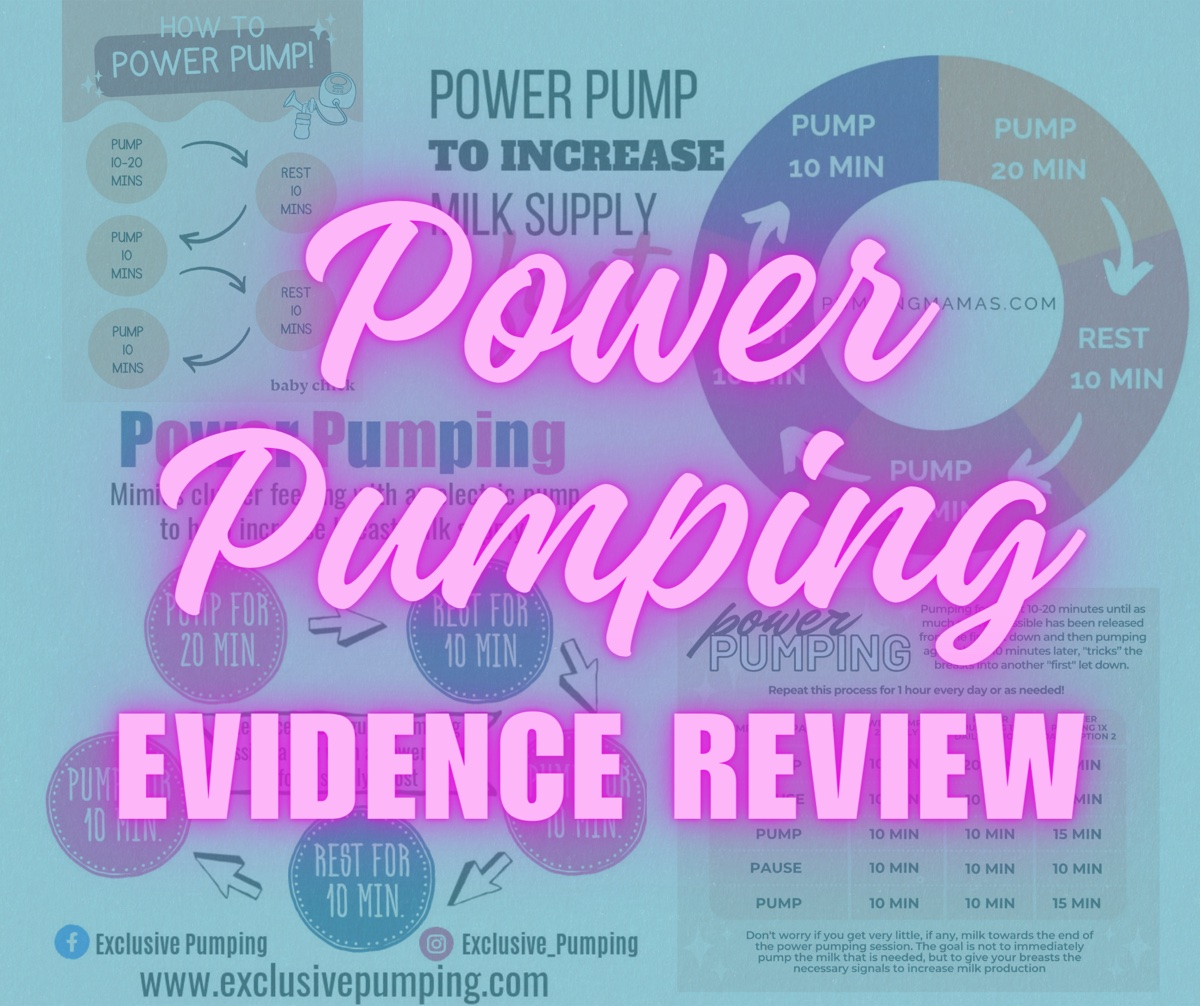
Evaluating Evidence: Power Pumping
A student in class recently brought up “Power Pumping” as a tactic to help a mom with low supply increase her supply. This sparked a discussion about…
Get new articles in your inbox
Subscribe to the weekly newsletter — practical insights and evidence updates for lactation professionals.
Subscribe Free